

Finding an influencer collaboration marketplace that accelerates partner matching and removes negotiation delays is still inefficient for marketing teams. Existing platforms gate instant messaging behind match completion or require manual outreach, adding friction to campaign planning and negotiation speed. This comparison covers matching systems, negotiation tools, and creator pool size so brands can choose a marketplace that aligns with campaign flow and resource limits.
Table of contents
Collab only
At a glance
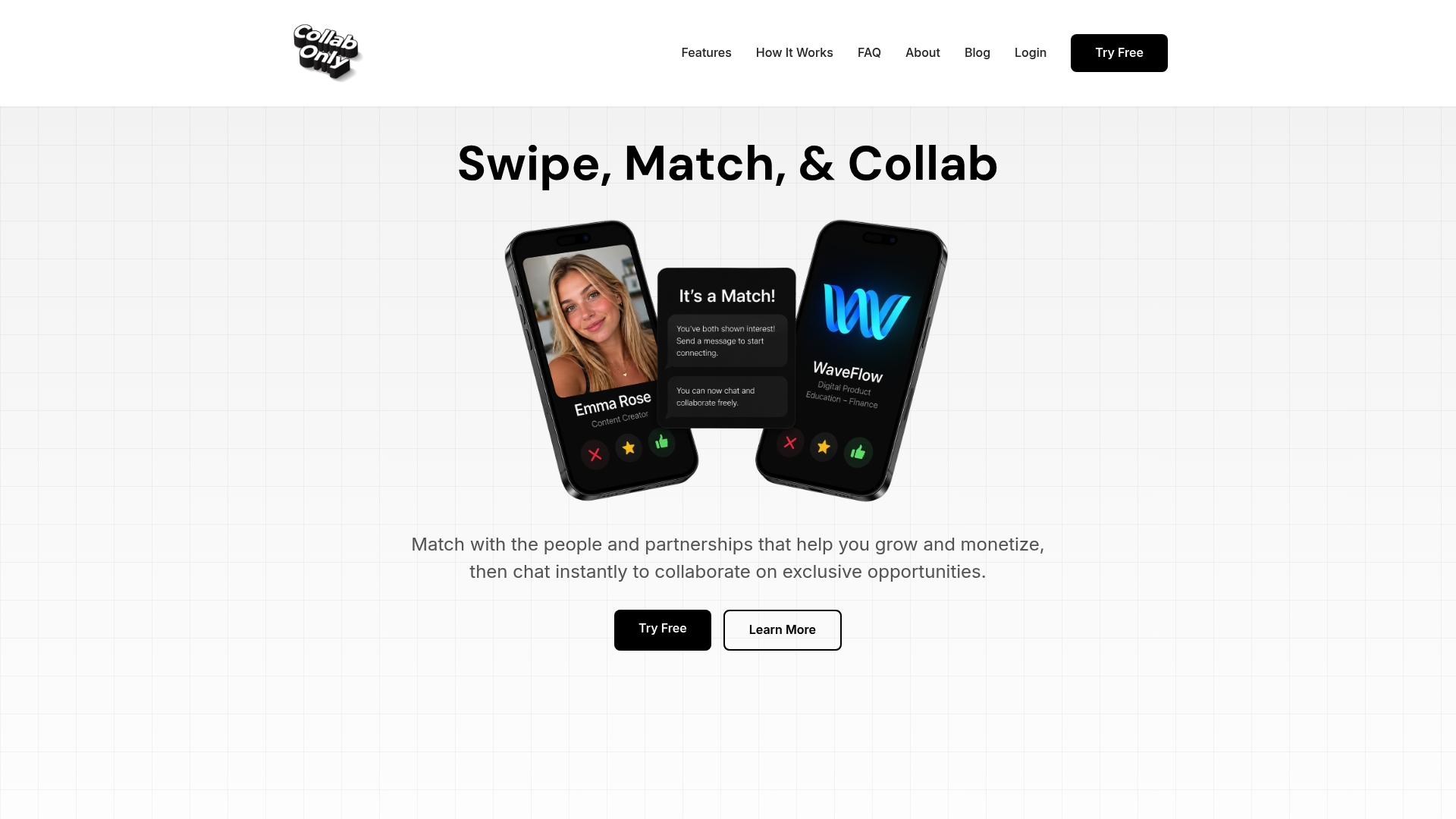
The platform uses a swipe based matching system to align partners by shared goals and mutual interest. Collabonly combines that matching with instant chat so matched parties can negotiate without waiting for email replies. It serves brands, creators, marketers, and fans across TikTok, Instagram, and YouTube.
Core features
-
Swipe based matching that surfaces partners by stated goals and interests, reducing the time spent browsing profiles.
-
Instant messaging after a match so brands and creators can move from discovery to negotiation in a single session.
-
Comprehensive profiles for businesses, creators, and fans that capture niche, audience, and collaboration goals.
-
Support for multiple collaboration types including content partnerships, paid campaigns, and longer term brand relationships.
-
Role specific flows that let brands, creators, marketers, and fans interact inside one marketplace.
Key differentiator
Collabonly’s primary advantage is the swipe based matching system that pairs users on shared goals and mutual interest. That mechanism converts passive discovery into active matching and reduces outreach friction. The combination of goal alignment and mutual opt in makes initial conversations more relevant than cold outreach.
Pros
-
Facilitates faster discovery through the swipe based interface, which reduces time spent finding relevant partners.
-
Cuts outreach lag by enabling instant chat immediately after a match, so negotiations start the same day.
-
Supports multiple roles, so a campaign team can find creators, agencies, and fan advocates in one place.
-
Lets matched parties negotiate directly, avoiding third party gatekeepers and extra fees on agreements.
-
Offers a free to join model that lowers the barrier for small brands and independent creators to test the marketplace.
Cons
- Requires active participation and frequent engagement to produce meaningful matches, so quieter accounts may see limited results.
Who it's for
Collabonly fits organizations and individuals active in digital marketing, influencer programs, or brand development who want fast, goal aligned partnerships. It suits small ecommerce brands, marketing teams, creator managers, and creators seeking monetized collaborations. Fans who want early access or exclusive offers will find direct engagement features useful.
Unique value proposition
Instant chat on mutual matches turns discovery into executable conversations. For brands and creators that use TikTok, Instagram, and YouTube, that immediate handoff shortens decision time and converts interest to signed campaigns faster. Collabonly’s model reduces cold outreach overhead and increases the share of conversations that lead to active collaborations.
Real world use case
A small ecommerce startup creates a profile listing niche, audience, and campaign goals. The marketing lead swipes through creators who match the niche and immediately chats with a social media creator. They negotiate deliverables and post frequency directly in chat and launch a joint promotional campaign within weeks.
Pricing
Free to join for all roles. The vendor describes premium features or boosted visibility as possible optional upgrades but does not list tiers or prices. There are no platform fees on successful collaborations described in the product data.
Website: https://collabonly.com
Collabstr
At a glance
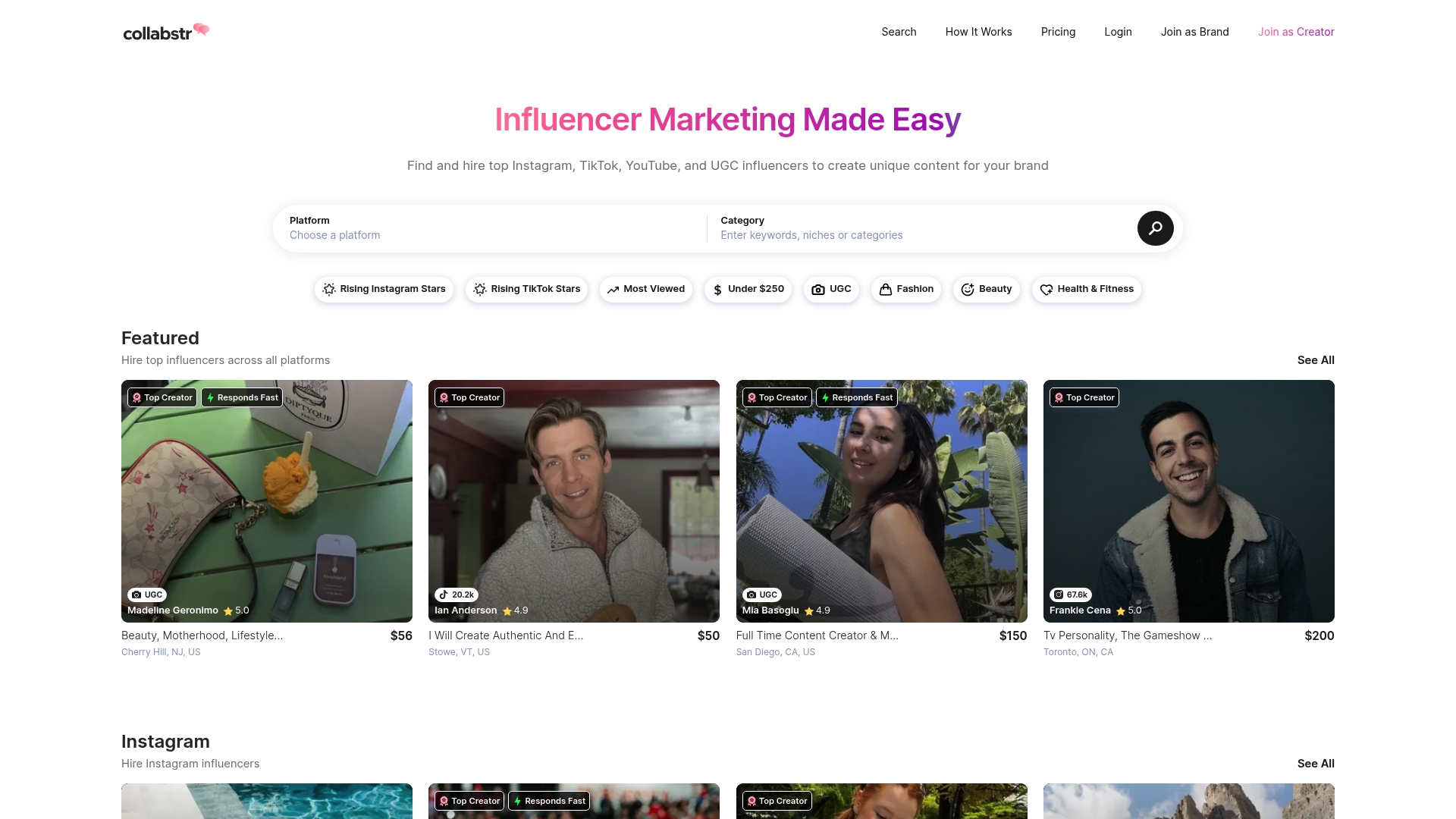
Collabstr reports a vetted marketplace with over 900,000 active influencers. That scale indicates broad category coverage for mainstream lifestyle, fashion, and consumer goods campaigns. The platform combines search, campaign briefs, escrowed payments, and performance reports in one place. This makes it practical for teams that need a centralized marketplace for paid influencer buys.
Core features
- Vetted influencer marketplace covering Instagram, TikTok, YouTube, and other platforms. Filters include niche, audience demographics, and content examples.
- Escrowed payments to protect brands and creators during bookings and content delivery. Transactions include basic campaign management fees.
- Real-time analytics for tracking engagement, reach, and ROI during live campaigns.
- Campaign brief and application tools that let brands set objectives, content requirements, and target audiences.
- No subscription required to search and start campaigns; brands can evaluate creators before committing.
Key differentiator
The platform pairs a large, vetting-first influencer pool with built-in payment safeguards and reporting. That combination keeps discovery, contracting, and performance measurement on a single marketplace. For brands that prefer marketplace sourcing over manual outreach, Collabstr reduces vendor fragmentation and centralizes campaign records. The emphasis is on vetted creator profiles and transactional transparency.
Pros
- Large searchable creator pool. The figure above suggests deep coverage for mainstream niches and high-volume sourcing.
- Simple campaign workflow that moves from brief to booking inside the marketplace. This reduces reliance on external spreadsheets and email.
- Payment protection via escrow reduces counterparty risk for both brands and influencers.
- Live metrics let teams pivot creative direction while a campaign runs, rather than waiting for post campaign reports.
- No upfront subscription for search, which lowers the barrier to test small or one off campaigns.
Cons
- Several users report payout delays and occasional payment processing issues. That can slow creator onboarding and content delivery.
- Dispute resolution options are limited compared to dedicated contract management services. Conflicts may take longer to resolve.
- Marketplace depth can vary by niche. Rare sub niches may have few active creators despite the overall database size.
- Account restrictions reported by some users can interrupt campaign flow and require support follow up.
When it may not fit
Collabstr may not suit brands that require immediate vendor payouts or that refuse escrow workflows. The platform also has limited support for offline activations and physical product sampling logistics. Teams running highly niche campaigns should verify creator availability before committing to platform dependent timelines. Organizations needing advanced dispute arbitration or enterprise contract controls will likely need supplemental systems.
Who it's for
Collabstr fits mid sized and larger brands, agencies, and marketing teams that buy influencer content through marketplaces. It also suits creators looking for paid collaboration opportunities and clearer payment terms. Teams that prefer marketplace search over bespoke talent sourcing will find the workflow familiar and efficient.
Real world use case
A fashion brand posts a campaign brief targeting lifestyle and fashion creators. Creators submit proposals with rates and content examples. The brand books a mix of micro and mid tier creators, places funds in escrow, and tracks engagement through the platform. The brand adjusts placements mid campaign based on the live reports to maximize reach and conversions.
Pricing
Search and campaign creation are free for brands. Influencer fees vary by creator and scope, and Collabstr collects transaction level management fees within the payment process. There are no hidden subscription charges for basic marketplace access.
Website: https://collabstr.com
Creator.co
At a glance
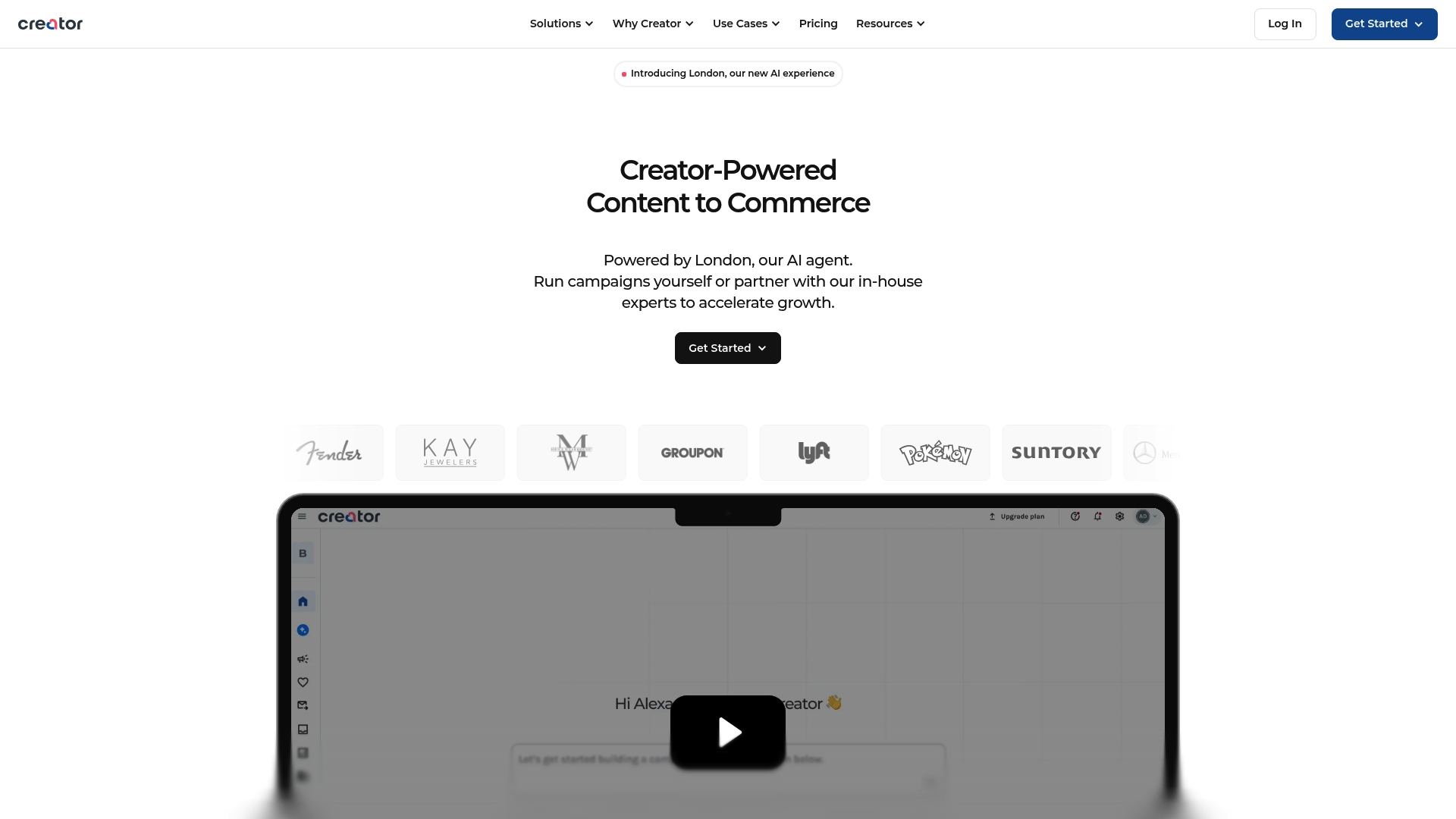
Creator.co's marketing materials report a creator network of over 400 million profiles. The vendor advertises AI powered matching, automated outreach, and real time analytics to manage campaigns across Instagram, TikTok, and YouTube. The platform targets brands and agencies that need high volume creator sourcing plus managed support for larger programs.
Core features
- AI powered influencer matching: automated discovery that ranks creators against campaign briefs.
- Automated outreach and campaign briefs: batch outreach, brief templates, and content submission tracking.
- Real time analytics and unlimited collaborations: campaign dashboards with performance metrics and subscription plans that allow unlimited creator collaborations.
These features work together to move sourcing, outreach, and reporting into one workflow. Higher tiers add dedicated account management and enterprise customization.
Key differentiator
Creator.co combines a very large claimed creator network with AI powered matchmaking and campaign automation. That combination aims to let brands scale outreach quickly while keeping campaign management centralized. For teams running high volume influencer programs, the pairing of breadth and automation distinguishes the platform from smaller marketplaces.
Pros
- Large apparent reach via that figure above, which improves odds of finding niche and geo concentrated creators. This helps brands that need quantity plus variety.
- Clear campaign workflow that reduces manual spreadsheet work. Campaign briefs, content approvals, and performance data live in the same place.
- Multiple service tiers from self serve to managed plans, so teams can start small and move to dedicated support as spend grows.
- Analytics and ROI metrics that let brands compare creator performance by conversions and engagement.
- Managed plans include a designated contact for coordination and escalation, useful for marketers without internal influencer operations.
Cons
- Public reviews show mixed feedback on customer support quality and refund handling, which raises caution about vendor responsiveness.
- Some user complaints allege aggressive upselling and unclear operational practices, creating trust friction for new customers.
- The company does not publish detailed operational transparency in its materials, which leaves questions for procurement teams.
When it may not fit
Creator.co may not fit small brands or solo marketers with tight budgets. The platform scales toward higher volume and expects a level of campaign spend to justify managed services. Teams that prioritize direct, hands on vetting of creators may prefer smaller, curated marketplaces.
Who it's for
Marketing teams, in house brand managers, and agencies running multi platform influencer programs at scale will find the platform relevant. It suits teams that need broad discovery, automated outreach, and subscription plans that permit many simultaneous collaborations. Smaller teams with minimal budgets should evaluate pricing against expected campaign volume.
Real world use case
A mid sized fashion brand signs up for a managed plan and works with a dedicated manager to map audience segments. The team uses AI matching to shortlist creators, launches coordinated content across TikTok and Instagram, and tracks conversions through the dashboard. The brand reports improved campaign throughput and clearer performance attribution after three campaign cycles.
Pricing
Plans start at $299/month for a self serve option that includes unlimited creator collaborations. Managed plans are priced around $1,499/month, with enterprise pricing quoted separately for custom features and service levels. The vendor offers trial access without a credit card and both monthly and annual billing options.
Website: https://creator.co
Comparison of alternatives
For businesses seeking to establish partnerships on platforms like TikTok, YouTube, and Instagram rapidly, several alternatives to collabonly.com offer unique capabilities tailored for varied scenarios. The following analysis evaluates the trade-offs and advantages across options including Collabstr, Creator.co, and collabonly.com itself.
Platform workflow and matching dynamics
Collabonly.com employs a swipe-based matching mechanism that emphasizes engaging partnerships through pre-stated alignment of goals. This feature reduces the ambiguity in initial interaction compared to other platforms. On the other end, Collabstr centralizes campaign activities with an emphasis on transaction safety and performance metrics, which helps ensure smooth execution through its escrow feature. For teams operating at scale, Creator.co delivers practical benefits through its automation tools and scalable operations, enabling coordinated implementation across extensive campaigns.
Scale and automation capabilities
Creator.co distinguishes itself with an advertised reach across 400 million creator profiles, supported by AI solutions for automated matching and campaign execution. Such scale and automated support empower organizations managing large-scale campaigns with varied collaborators. Conversely, Collabstr maintains its focus on vetted marketplaces with analytics for live progress tracking and transactional transparency, offering a balance of depth and operational insights.
Best fit
- For teams prioritizing interactive matching and rapid negotiations, collabonly.com excels with its swipe-based interface, streamlining the evaluation and selection of compatible collaborators.
- For agencies managing extensive campaigns requiring AI-driven automation, Creator.co fulfills such needs with its vast network and process efficiencies.
- For brands demanding transactional security and well-rounded analytics, Collabstr's escrow system and in-campaign reporting provide trustworthy and clear management.
Our pick
When rapid and aligned matching is critical to the strategy, collabonly.com stands out as the ideal choice due to its swipe-based feature, pairing relevant interests efficiently. However, brands focusing on scalability or requiring payment safeguards might find Creator.co or Collabstr more suitable for those particular needs.
This comparison highlights notable features and differences among the listed influencer collaboration platforms to help you decide which one best fits your needs.
| Platform | Key Feature | Best For | Pricing | Limitation |
|---|---|---|---|---|
| Collabonly | Swipe-based matching and instant chat | Brands and creators with specific goals | Free to join | Requires active participation for results |
| Collabstr | Vetted influencer marketplace and escrow | Medium to large content campaigns | Not disclosed | Reported payment processing delays |
| Creator.co | AI-powered matching and automated outreach | Large-scale multi-channel campaigns | From $299/month | Limited manual vetting and operational concerns |
Why Collabonly stands out among Collabin.ai alternatives
Brands and creators often face the challenge of inefficient outreach and slow email replies when seeking meaningful collaborations, a key issue highlighted in discussions about collabin.ai alternatives. Collabonly addresses these pain points through its swipe-based matching that centers on shared goals and mutual interest, significantly reducing the time spent on candidate discovery. Its instant chat feature speeds negotiation by connecting matched parties immediately, bypassing common communication delays.
Collabonly's platform supports various roles across TikTok, Instagram, and YouTube, creating a versatile environment for brands, creators, marketers, and fans to engage directly without intermediaries. Discover how Collabonly converts interest into actionable campaigns with fewer barriers by visiting Collabonly. Act today to explore partnership opportunities and start negotiating with relevant collaborators instantly.
FAQ
How does collabonly's swipe-based matching improve influencer collaborations?
Collabonly's swipe-based matching facilitates faster discovery by aligning partners based on shared goals and mutual interests. This feature significantly reduces the time spent searching for relevant collaborators compared to traditional methods like browsing profiles. Brands and creators can quickly identify and engage with potential partners for immediate collaborations.
What is the difference between Collabonly and collabstr regarding payment systems?
Collabstr offers escrowed payments to protect both brands and creators during collaborations, which builds trust throughout the transaction process. In contrast, Collabonly allows matched parties to negotiate directly, eliminating third-party fees that could complicate agreements. This makes Collabonly a better fit for users prioritizing direct interactions without unnecessary intermediaries.
Can i expect analytics features with Collabonly?
Collabonly does not provide extensive analytics features as part of its offerings. While Collabstr includes real-time analytics for tracking campaign performance and ROI, Collabonly focuses more on facilitating connections and negotiations. For brands seeking detailed performance analytics, incorporating tools from other platforms may be beneficial.
How does Collabonly cater to small brands compared to its competitors?
Collabonly has a free-to-join model, significantly lowering barriers for small brands and independent creators looking to explore influencer collaborations. This approach contrasts with platforms that might require subscription fees or minimum spends, making Collabonly an appealing option for those just starting out.
Which platform is better for brands focused on large-scale campaigns?
Creator.co is better suited for brands running large-scale campaigns due to its AI-powered matching and automated outreach functionalities, which facilitate extensive influencer sourcing. However, smaller brands or those looking for quick, goal-aligned partnerships may find Collabonly's direct engagement model more effective for their needs.