
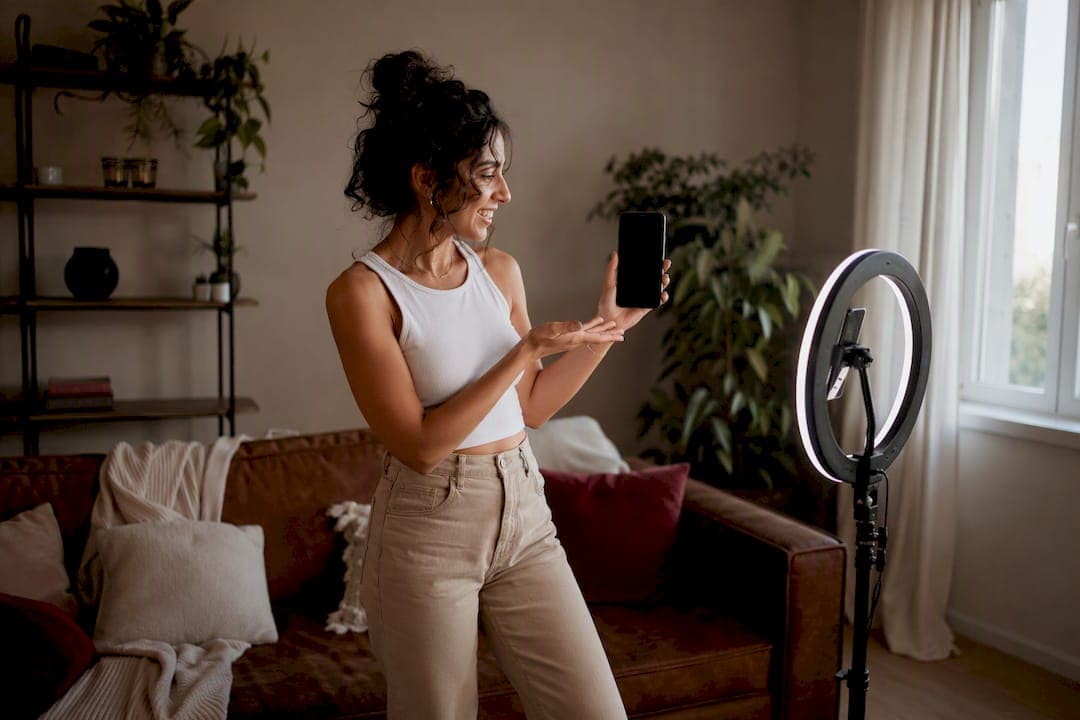
TikTok Shop Affiliate lets creators embed shoppable product tags in videos and Lives, earning seller-set commissions on every completed sale. Most U.S. creators who meet the 1,000-follower minimum can self-apply and start earning once verified. TikTok handles payment processing directly, routing commissions to creators roughly two weeks after a buyer's order is confirmed as delivered.
Whether the math works in a creator's favor depends heavily on category and timing. Following the 2026 platform fee increases, effective commissions on many products run thinner than the headline rate a seller advertises, which changes the calculation for micro-creators weighing time investment against payout.
- Who qualifies: 18 or older, U.S. resident, 1,000+ followers for self-application
- What's required: business account conversion, identity verification, clean account standing
- The honest take: solid supplemental income for consistent posters; rarely a standalone living for casual affiliates given current take-rate pressure
Key Takeaways
TikTok Shop affiliate earnings depend less on follower count than on category fit, posting consistency, and understanding how 2026's fee changes affect real payout.
| Point | Details |
|---|---|
| Eligibility is low-barrier | 18+, U.S. residency, and 1,000 followers cover self-application for most creators. |
| Fees compress nominal rates | Platform referral fees near 8% plus optional Smart Promo can push blended costs past 9 to 11%. |
| Payout takes about two weeks | Commissions typically settle 15 days after delivery, longer for new sellers. |
| Niche fit beats raw reach | Smaller, engaged audiences often convert better than large generalist accounts. |
| Matching platforms cut sourcing time | Collabonly connects brands and creators through swipe-based matching and instant chat instead of cold outreach. |
Table of Contents
- How Do You Set Up a TikTok Shop Affiliate Account?
- What Commissions and Fees Should You Expect?
- How Do Creators Actually Get Paid for TikTok Shop Sales?
- What Promotion Tactics Actually Move TikTok Shop Sales?
- How Should Brands Set Rates and Recruit Creators?
- How Does a Creator Marketplace Speed Up Sourcing?
- Where to Verify These Numbers Yourself
- What Most Guides Get Wrong About TikTok Shop Affiliate Income
- Skip the Cold Outreach and Match With the Right Creators Directly
- Sources
- FAQ
How Do You Set Up a TikTok Shop Affiliate Account?
Getting approved is mostly a documentation exercise, not a skills test. TikTok tiers affiliate access by follower count and content history, and the fastest path runs through the Affiliate Center rather than cold outreach to brands.

Eligibility breaks into three creator tiers. Standard Affiliate Creators need 1,000 followers and U.S. residency to self-apply. Marketing Creators, who get access to paid collaboration campaigns, typically need a stronger engagement history. Official Shop Creators, the top tier, usually get invited rather than applying cold.
Before applying, convert your personal account to a business account inside TikTok's settings. This unlocks the Shop tab and the analytics dashboard you will need later to track conversions.
- Open Seller Center or the TikTok app and navigate to the Affiliate Center.
- Complete identity verification, including a government ID and address confirmation.
- Browse the Affiliate Marketplace and request samples or apply to open collaborations.
- Accept a product's terms, generate your product link, and tag it in content.
- Monitor approval status; some categories run a pilot program with daily posting or sample limits for new creators.
The most common onboarding snag is verification delay, usually caused by a mismatched name between the ID and the account profile. Fix it by resubmitting with an exact name match before reapplying to restricted categories like supplements or electronics, which carry extra compliance review.
Pro Tip: Apply to three or four collaborations in different categories at once. Approval speed varies wildly by brand, and diversifying gives you income options while you wait on any single review.
What Commissions and Fees Should You Expect?
Sellers set their own commission rates within TikTok's allowed range, but two other numbers matter just as much: the platform's own cut and the timing of when you actually get paid.
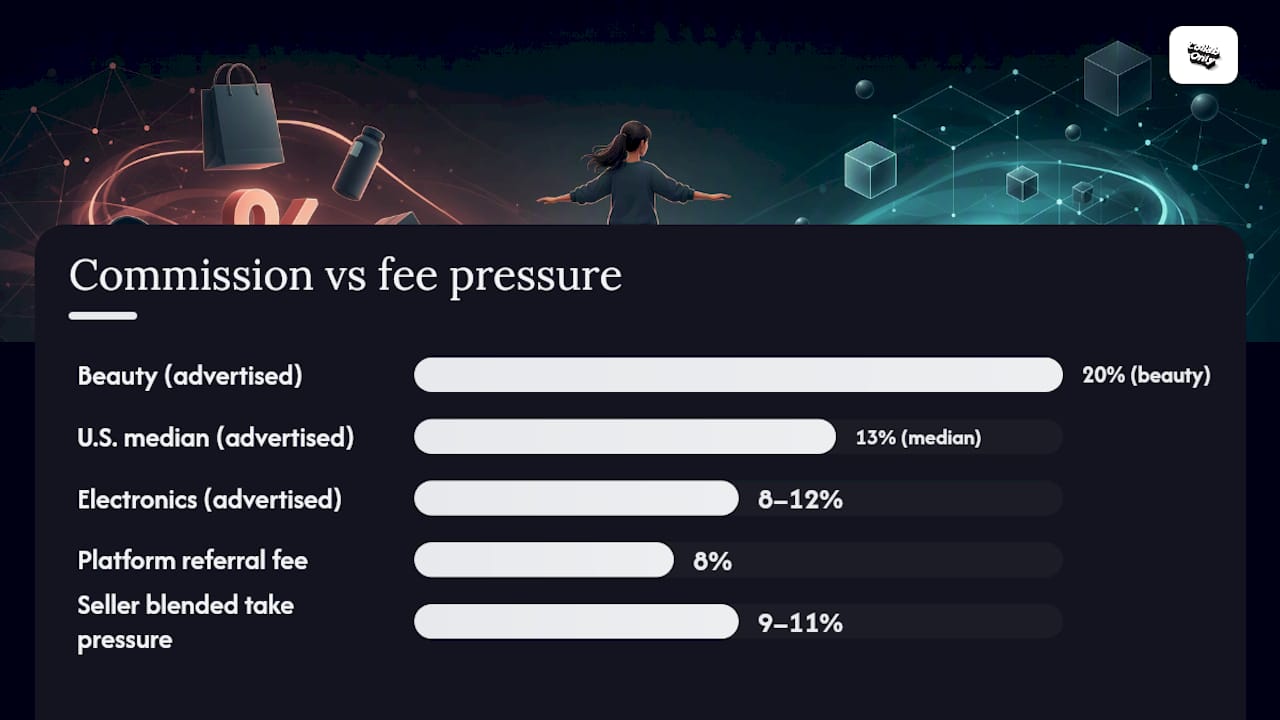
By the numbers: The median U.S. commission rate sits near 13% as of 2026, though category spreads are wide. Beauty products often run closer to 20%, while consumer electronics frequently sit between 8% and 12%.
Layered on top of the creator commission is TikTok's own platform referral fee, which now stands at 8% for core categories after the 2026 rate changes.
- Standard platform referral fee: 8% for core categories
- Optional Smart Promo add on: 3.5%
- Blended seller-side take rate: often 9% to 11%+ depending on category and promo use
Payout protections work in the creator's favor on one front: a 30-day lock protects your commission rate from being cut mid-promotion once a buyer clicks your link. Payment itself typically lands about 15 days after delivery confirmation.
But once you factor the seller's blended fee pressure into pricing decisions, brands sometimes lower nominal rates on thinner-margin SKUs, meaning the advertised rate and the sustainable rate for a given product may not match for long.
How Do Creators Actually Get Paid for TikTok Shop Sales?
Attribution runs on a last-click basis. If a viewer taps your product tag in a video or during a livestream and completes checkout within TikTok's attribution window, the sale credits to you, even if they scrolled past three other creators promoting the same item earlier that week.
That last-click rule matters most in crowded categories. When multiple affiliates push the same viral product, whoever gets the final tap before purchase wins the commission, which rewards timing and urgency over first-mover promotion.
- Tagging in standard videos and Lives both count, but Live tagging often converts faster due to real-time urgency
- Settlement typically completes 15 days after delivery, extending to as long as 31 days for newer sellers
- Refunds processed within the settlement window claw back the associated commission automatically
- Track clicks, click-through rate, conversion rate, and orders-by-creator inside the Affiliate Center dashboard
Pro Tip: Check your conversion rate by video format weekly, not just monthly.
What Promotion Tactics Actually Move TikTok Shop Sales?
Format matters more than polish. Demos that show a product solving a specific, visible problem consistently outperform aspirational lifestyle content, and unboxings with an honest first reaction tend to convert better than scripted reviews.
- Lead with a hook that names the problem in the first three seconds, then show the product resolving it on screen.
- Tag the product clearly and repeat the call to action verbally, since many viewers watch with sound off.
- Run small A/B tests between two hooks or two price framings, then track click-through rate into conversion rate into average order value.
- Once an organic post shows strong performance, amplify it with Spark Ads rather than starting a fresh paid campaign from zero.
- Layer livestream selling on top of proven video content to catch buyers already primed by earlier posts.
Smaller, tightly focused audiences frequently outperform reach alone. A creator with 10,000 highly engaged followers in a specific niche often converts better than an account with ten times the reach but a generalist audience, because product fit drives the purchase decision more than exposure volume.
Disclosure is not optional. The FTC's endorsement guides require clear, unmissable disclosure whenever a creator receives payment or free product for a promotion. A simple "#ad" or "TikTok made me buy it, and yes I'm getting paid" spoken on camera satisfies the spirit of the rule far better than a disclosure buried in a caption nobody expands.
How Should Brands Set Rates and Recruit Creators?
Brands that treat affiliate rate design as a one-time decision usually regret it within a quarter. Rates need to track category norms closely enough to attract creators without eating margin the business cannot sustain once the 2026 fee structure is factored in.
Start by benchmarking your category's typical commission before publishing a rate. A rate set too far below category norms simply gets ignored inside the Affiliate Marketplace, while one set too high erodes margin the moment order volume scales.
- Offer samples generously for mid-tier creators; sample cost is nearly always cheaper than a wasted commission on a mismatched creator
- Write a creative brief with two or three concrete content angles rather than a vague "show off the product" request
- Use commission-lock windows deliberately during launches, then communicate any rate change clearly before it takes effect
- Watch refund rates and creator concentration risk. If 80% of affiliate sales come from two creators, that's a fragile program, not a strong one
For recruitment beyond the open marketplace, a creator rate guide helps set expectations before negotiations start, and proactively sourcing UGC-focused creators tends to outperform waiting for inbound applications.
Pro Tip: Review your top 10 affiliate creators' metrics monthly, not quarterly. Commission economics shift fast enough on TikTok Shop that a rate competitive in January can lag category norms by summer.
How Does a Creator Marketplace Speed Up Sourcing?
Cold outreach on TikTok Shop still runs on the same friction that has plagued influencer marketing for years: emails that go unanswered, DMs buried under spam, and brands guessing at follower authenticity from a profile grid. A swipe-based matching approach cuts straight through that by surfacing creators and brands already filtered for fit, then opening instant chat the moment both sides express interest.
A marketplace that matches creators by audience fit and format expertise shortens time-to-first-sale and reduces negotiation friction compared with cold outreach, because both parties arrive already interested rather than starting from a pitch.
For a brand recruiting affiliates in a specific niche, or a creator hunting for a better commission structure than an open marketplace listing offers, matching on audience fit beats sorting through hundreds of unqualified applicants by hand.
Where to Verify These Numbers Yourself
- TikTok Shop Partner Center for integration and program documentation
- Ecommerce Times and MediaLabs for fee benchmarks
What Most Guides Get Wrong About TikTok Shop Affiliate Income
That gap between advertised rate and effective payout is the single most underappreciated fact in this entire program, and it's the reason so many creators feel shortchanged after their first payout lands.
The conventional wisdom says chase the biggest brands and the highest advertised commission. The better strategy, based on how attribution and fees actually work, is chasing category fit and repeat-purchase products where your audience already has buying intent.
Brands make the same mistake in reverse; they set rates by copying a competitor's number instead of modeling their own margin after the 2026 fee structure. The creators and brands who win this year are the ones treating commission rate as a living variable, not a set-and-forget number. That means checking benchmarks quarterly and being willing to adjust before margin erosion forces the decision.
Skip the Cold Outreach and Match With the Right Creators Directly
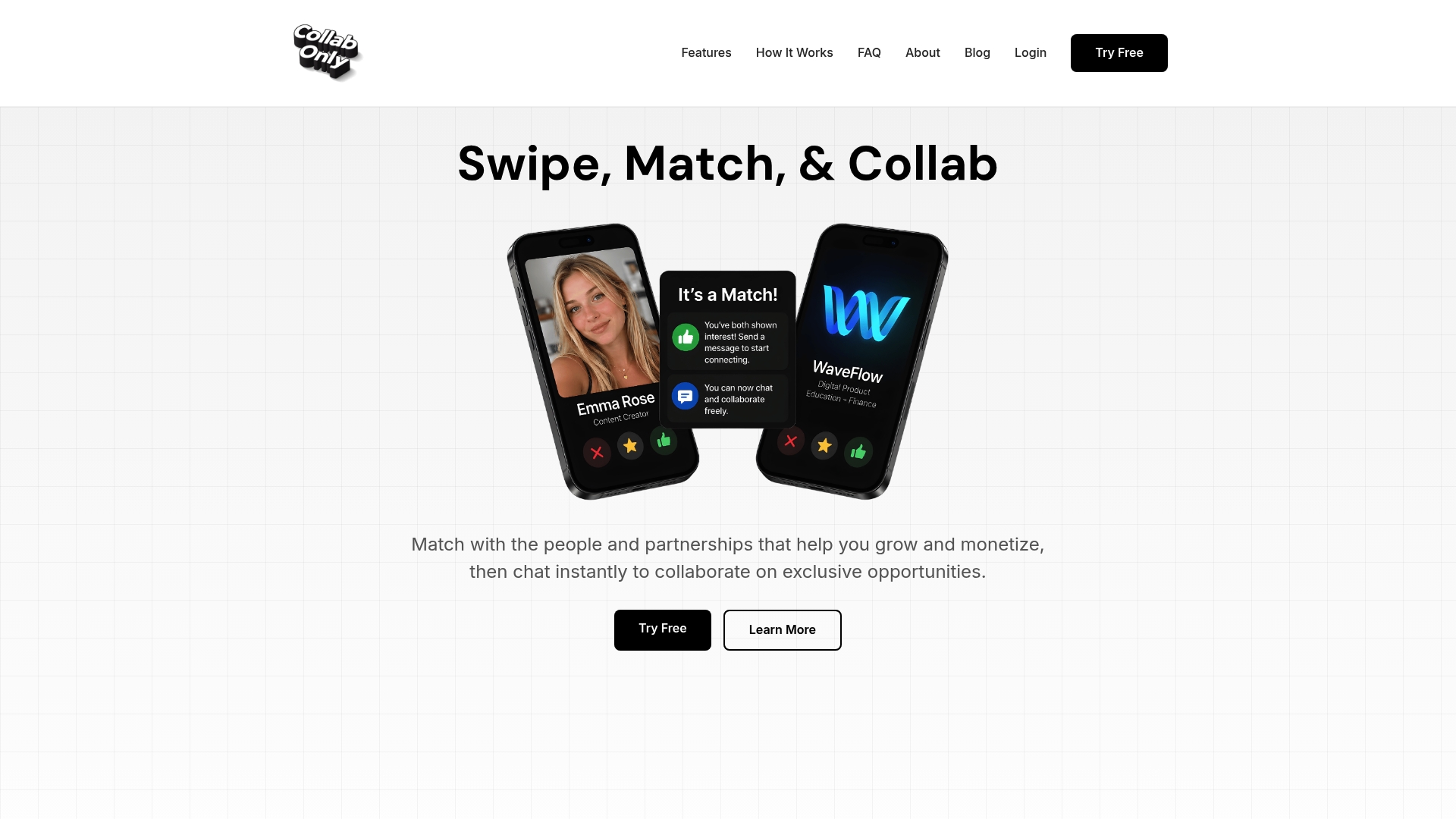
Cold outreach through TikTok Shop's open marketplace works, but it's slow. You're sifting through applicants, waiting on brand replies buried in a notifications tab, or watching a promising creator go quiet after one message. Collabonly is a different route to the same outcome: brands and creators swipe to match based on actual fit, then chat instantly once both sides say yes, no waiting on an email that never comes.
For a small brand building an affiliate roster, that means recruiting creators suited to your category instead of hoping the right people apply. For a creator building a diversified income stream, it means finding brands actively looking for someone like you, rather than pitching into a void. If you're a brand, start by browsing nano influencer matches built for exactly this kind of affiliate recruiting. If you're a creator, check out the creator platform and start swiping through brand matches today.
Sources
- TikTok Affiliate Marketing: How To Get Started (2026) - Shopify
- TikTok Shop’s U.S. Commission Hike Is Reshaping Seller Economics – Ecommerce Times
FAQ
How Do I Become a TikTok Shop Affiliate?
Convert your account to a business profile, verify your identity in Seller Center, then apply through the Affiliate Center once you meet the 1,000-follower minimum and are 18 or older.
How Much Do TikTok Affiliates Get Paid?
Commissions vary by category, with a median around 13% in the U.S.
How Can I Make $1,000 a Month From TikTok Shop?
There's no fixed formula, but reaching that level usually requires consistent daily posting, a niche audience with real buying intent, and a mix of organic content amplified with Spark Ads once a post proves it converts.
Is Becoming a TikTok Shop Affiliate Worth It?
It's worth it as a supplemental income stream for consistent creators, especially in higher-commission categories, though the 2026 fee increases mean effective payouts run thinner than the advertised rate suggests.
Where Can I Find Brands Looking for Affiliates Outside the Open Marketplace?
Platforms like Collabonly match creators directly with brands seeking affiliate partners, cutting out the wait time common in cold outreach or open marketplace applications.