

Why brands use influencers: the core strategic case
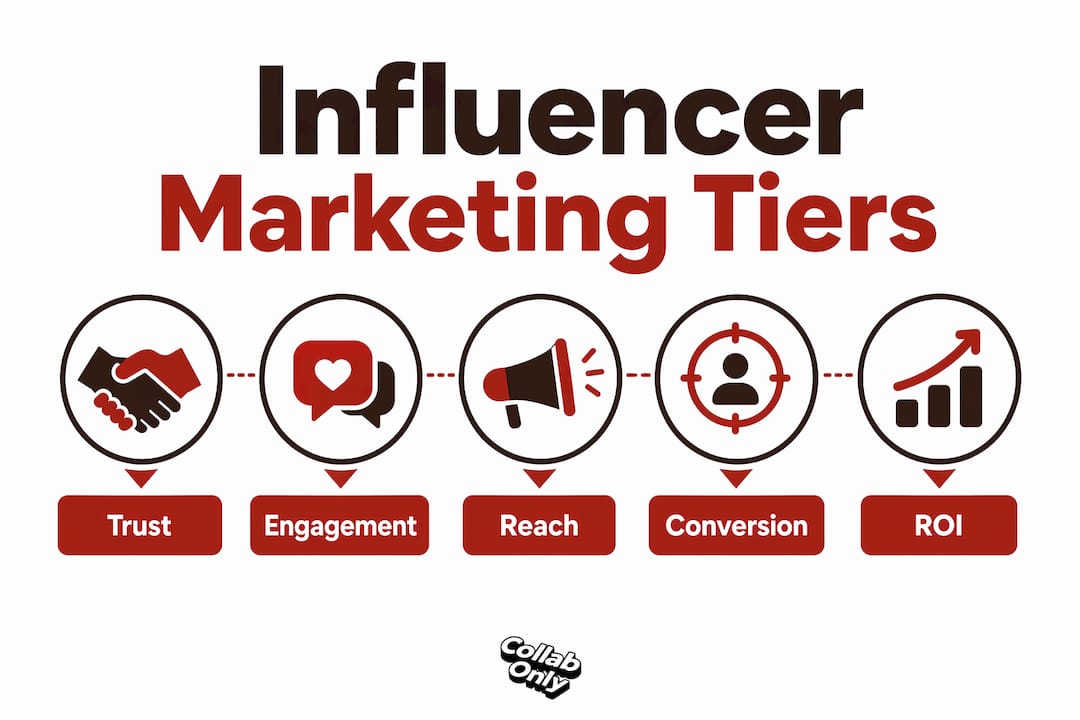
Brands use influencers because trusted peer recommendations outperform traditional advertising in driving consumer engagement and purchase intent. A meta-analysis of 71 studies with 135 experiments confirms that social media influencers significantly outperform brand posts, virtual influencers, and celebrities in generating both engagement and purchase intention. The mechanism is credibility: influencer endorsements function as social proof, converting undecided consumers by signaling that real people with relevant expertise already trust the product.
The strategic case for influencer marketing rests on five pillars:
- Social proof at scale. Influencers carry peer-credibility that brand-owned channels cannot replicate, overcoming the consumer skepticism that erodes traditional ad effectiveness.
- Authentic content amplification. Influencer-generated content feels organic rather than produced, which extends dwell time and deepens audience engagement well beyond what a standard media buy achieves.
- Content diversity and SEO lift. High-quality, shareable influencer content drives discoverability across social platforms and supports broader search visibility.
- Niche audience precision. Influencers with defined sub-niches deliver brand messages to tightly segmented demographics that paid media targeting often misses.
- Long-term partnership equity. Sustained collaborations build reusable marketing assets and compound audience loyalty over time, converting one-off campaigns into durable brand relationships.
The global influencer marketing market is large and has been growing rapidly in recent years. That growth rate reflects a structural shift: influencer marketing is no longer a supplemental tactic but an embedded component of paid media planning and brand strategy.
Key benefits influencer marketing delivers to brands
The advantages of collaborating with influencers span awareness, trust, discoverability, engagement, and conversion. Each benefit compounds the others when campaigns are structured with clear objectives.
-
Expanded brand awareness across niche demographics. Influencers introduce brands to audiences who have no prior familiarity with them, doing so through a voice those audiences already trust. Vaseline's "Vaseline Verified" campaign, which engaged 450 influencers, generated hundreds of millions of views and a measurable sales lift, illustrating how influencer reach translates directly into market penetration.
-
Consumer trust through relatable messaging. Influencer marketing works because consumers want to buy from people they trust, whether a peer, a role model, or someone in the same professional community. The meta-analysis confirms that credibility drives purchase intention, while attractiveness drives engagement, giving brands two distinct levers depending on campaign goals.
-
Discoverability and social SEO. Shareable influencer content extends a brand's organic footprint across TikTok, Instagram, and YouTube, generating backlinks, mentions, and platform-native signals that improve discoverability. Unlike paid search, this visibility persists after the campaign ends.
-
Higher engagement through participatory content. Interactive formats, including Q&As, live sessions, giveaways, and challenges, deepen audience engagement in ways that static brand posts cannot. Reckitt's Dettol #HandWashChallenge in India generated 75 million videos, demonstrating how participatory influencer campaigns can achieve organic amplification at a scale no paid media budget can replicate.
-
Product launch acceleration. Influencers with established niche authority can compress the awareness-to-consideration cycle for new products. Smaller and medium-sized influencers are particularly effective for new product launches because their audiences perceive them as more authentic and their engagement rates tend to be higher than those of macro-influencers.
-
Sales conversion through trusted recommendations. When influencers share exclusive discount codes or direct product endorsements, conversion attribution becomes measurable. The trust embedded in the influencer-audience relationship makes these recommendations more persuasive than a standard display ad, and when campaigns are well-executed, brands report two to three times the ROI of traditional media.
-
Reusable content assets. Influencer-produced content, when usage rights are negotiated upfront, extends well beyond the original post. Brands repurpose this material for paid social, email campaigns, product pages, and retail listings, multiplying the value of a single collaboration across multiple channels.
What makes an influencer marketing strategy succeed
Execution separates high-performing influencer programs from campaigns that generate impressions without impact. The following elements define the difference.
-
Influencer selection aligned with brand values and audience fit. Audience demographics, content style, and engagement quality matter more than follower count alone. The meta-analysis shows that small and medium-sized influencers outperform larger ones for engagement, while larger influencers carry greater weight for purchase conversion. Matching influencer size to campaign objective is a foundational strategic decision. Collabonly's practical matching guide outlines how to align creator profiles with specific brand goals.
-
Creative freedom within defined parameters. Over-scripted briefs undermine the authenticity that makes influencer content effective. Brands that provide clear objectives while allowing creators to express those objectives in their own voice consistently outperform those that treat influencers as passive ad-delivery vehicles.
-
Integration with broader marketing channels. Influencer content performs best when it connects to a brand's paid media, email, and owned content strategy. Assets produced by influencers can feed paid social whitelisting, landing page creative, and retargeting campaigns, creating a unified content ecosystem rather than isolated posts.
-
Long-term collaborations over one-off campaigns. Long-term partnerships provide consistent ROI and generate reusable marketing assets that compound in value. Brands that treat influencers as ongoing collaborators rather than transactional vendors build deeper audience trust and reduce the per-campaign cost of creator onboarding.
-
Holistic ROI measurement. Measuring only post-level views misses the full picture. Brand lift, engagement quality, conversion attribution, and content reuse value all contribute to a complete ROI assessment. Professionals focused on influencer marketing ROI increasingly use engagement rate, dwell time, and brand lift surveys alongside direct conversion data to evaluate campaign performance.
-
FTC compliance and transparency. Disclosure requirements are non-negotiable. Audiences are increasingly sensitive to undisclosed paid partnerships, and regulatory scrutiny of influencer advertising has intensified. Clear disclosure protects both the brand and the creator while maintaining the audience trust that makes the channel effective.
Pro Tip: Before briefing any influencer, define whether the campaign's primary objective is engagement or purchase conversion. That single decision should determine influencer size, content format, and the metrics used to evaluate success.

Why C-suite executives prioritize influencer marketing
Executive buy-in for influencer marketing has grown as the channel has matured from a PR experiment into a measurable, media-grade investment. Several factors drive that shift at the leadership level.
-
Brand credibility at scale. Influencers function as third-party validators. Their endorsements carry the weight of peer recommendation rather than corporate messaging, which is particularly valuable in categories where consumer skepticism toward brand-owned content is high.
-
Measurable and scalable ROI. The channel's ROI potential, which can reach two to three times that of traditional media in well-executed campaigns, gives executives a defensible business case. Harvard Business Review's analysis of more than 5,800 influencer posts found that optimizing seven key variables produced an average 16.6% ROI boost, suggesting that performance improvements come from execution discipline rather than budget increases.
-
Content production efficiency. Influencer partnerships generate high-volume, platform-native content at a fraction of the cost of traditional creative production. For brands managing multiple channels simultaneously, this content output addresses creative fatigue in paid social without proportional increases in production spend.
-
Precise segment targeting and market intelligence. Influencers with defined sub-niches provide access to tightly concentrated audience segments. The comments, questions, and engagement patterns generated by influencer campaigns also surface consumer insights that inform product development and messaging strategy.
-
Long-term brand equity. Sustained influencer relationships build cumulative audience familiarity with a brand, compounding awareness and affinity over time. This equity is particularly durable when influencers are treated as long-term collaborators rather than campaign-by-campaign vendors.
Modern influencer marketing: trends and best practices for 2026
The influencer marketing discipline has matured considerably, and the practices that drove results in earlier years are no longer sufficient. Several developments define the current operating environment.
-
Authenticity over scripted promotion. The integration paradox is now well-documented: the more visible the commercial intent, the less effective the content. Audiences disengage when influencer content reads as an advertisement rather than a genuine recommendation. Brands that give creators latitude to integrate products naturally into their existing content formats consistently outperform those that deliver rigid scripts.
-
Influencers as human brands. Treating influencers as passive promotional channels produces transactional content that audiences recognize and discount. The more productive model involves participatory interactions, including two-way communication, co-creation, and genuine product involvement, that position the influencer as an authentic advocate rather than a hired spokesperson.
-
Usage rights as a primary value driver. Negotiating content usage rights upfront has become a standard practice for brands building scalable creator programs. Influencer-produced content that can be repurposed for paid social, retail listings, and email campaigns extends campaign lifespan and multiplies revenue impact without additional production cost.
-
The visibility paradox in practice. Less overt influencer content yields higher engagement and conversion. This finding, supported by research on influencer ad integration, requires brands to recalibrate what "good" influencer content looks like. A post that does not obviously read as an ad often performs better than one that does.
-
Shared interests over fee-only negotiations. Brand-influencer negotiations that focus exclusively on fees tend to produce one-off campaigns with limited strategic value. Focusing on shared long-term interests transforms individual deals into durable partnerships, reducing renegotiation friction and improving content quality over time.
-
KPI alignment over vanity metrics. Professional creators now differentiate themselves by prioritizing business KPIs such as conversion rate, dwell time, and content reuse value rather than follower count and raw impression volume. Brands that shift from vanity metrics to impact-oriented reporting get more accurate performance data and build stronger cases for continued investment.
-
Reputational risk management. Influencer marketing carries reputational exposure that scales with audience size. A creator with a small following can go viral overnight, meaning nano-influencers are not inherently lower-risk partners. Brands increasingly invest in monitoring tools and conduct ongoing creator audits to protect against misalignment. Authenticity in branding, including how brands build trust through consistent and transparent partnerships, has become a board-level concern.
Pro Tip: Negotiate usage rights before the campaign launches, not after. Retroactive rights requests are the single most common source of post-campaign friction, and they often cost more than including usage terms in the original agreement.

Ready to connect with the right creators?
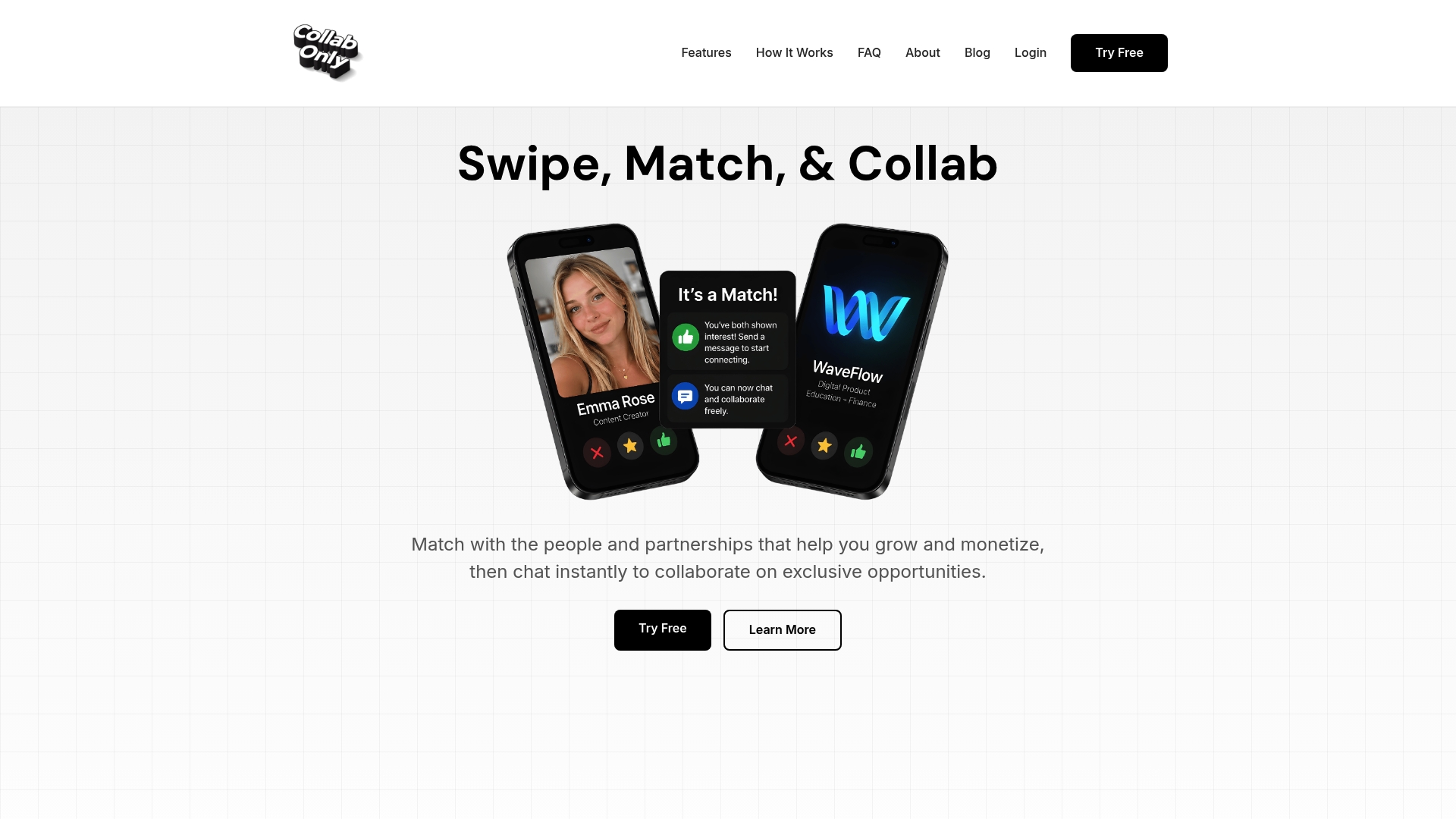
Collabonly gives brands direct access to nano and micro influencers whose audiences match specific campaign objectives. The platform's swipe-based matching system eliminates the slow email chains and unanswered DMs that stall most influencer outreach, replacing them with instant chat upon match. Whether you are building a product launch campaign or a long-term ambassador program, Collabonly connects you with creators who are aligned with your brand values from the first interaction.
Explore nano influencer campaigns or hire micro influencers to start building partnerships that perform beyond a single post.
Key Takeaways
Brands use influencers because credibility-driven peer recommendations outperform traditional advertising in both engagement and purchase conversion, with the global influencer marketing market seeing rapid growth in recent years, with industry analysts estimating the market will surpass $30 billion in 2025.
| Point | Details |
|---|---|
| Social proof drives conversion | Influencer credibility directly increases purchase intention, outperforming brand posts and celebrity endorsements. |
| Match influencer size to objective | Small and medium influencers drive higher engagement; larger influencers carry more weight for purchase conversion. |
| Long-term partnerships compound value | Sustained collaborations generate reusable content assets and build audience loyalty that one-off campaigns cannot. |
| Authenticity determines performance | The visibility paradox means less overt influencer content consistently yields higher engagement and conversion rates. |
| ROI requires holistic measurement | Brand lift, dwell time, and content reuse value must supplement direct conversion data for accurate campaign assessment. |
FAQ
Why should brands use influencers?
Brands use influencers to access trusted audience relationships that drive awareness, engagement, and purchase intent more effectively than traditional advertising. Influencer credibility functions as social proof, converting undecided consumers at a rate that brand-owned content rarely achieves.
Why do brands pay influencers so much?
Brands pay influencers for access to concentrated, trust-based audiences that are difficult to reach through paid media alone. When campaigns are well-executed, the channel can deliver two to three times the ROI of traditional media, making the investment commercially defensible.
Why do brands sponsor influencers?
Brands sponsor influencers to generate authentic, platform-native content that integrates naturally into audience feeds rather than interrupting them. Sponsorships also produce reusable content assets, including material for paid social, email, and retail listings, that extend campaign value well beyond the original post.
Why do brands collaborate with influencers rather than run ads?
Influencer collaborations produce longer dwell times, higher engagement rates, and stronger consumer trust than standard display or social ads. The meta-analysis of 71 studies confirms that social media influencers outperform brand posts across both engagement and purchase intention metrics, giving brands a measurable performance advantage.