

TL;DR:
- Creator engagement involves building trust-based relationships with content creators to foster authentic brand advocacy. Effective strategies include selecting creators based on trust signals, personalizing outreach, structuring professional collaborations, and measuring impact through authentic engagement metrics like CPTI. Most brands fail by emphasizing reach over trust and neglecting relationship management, but adopting a strategic, personalized approach offers a lasting competitive advantage.
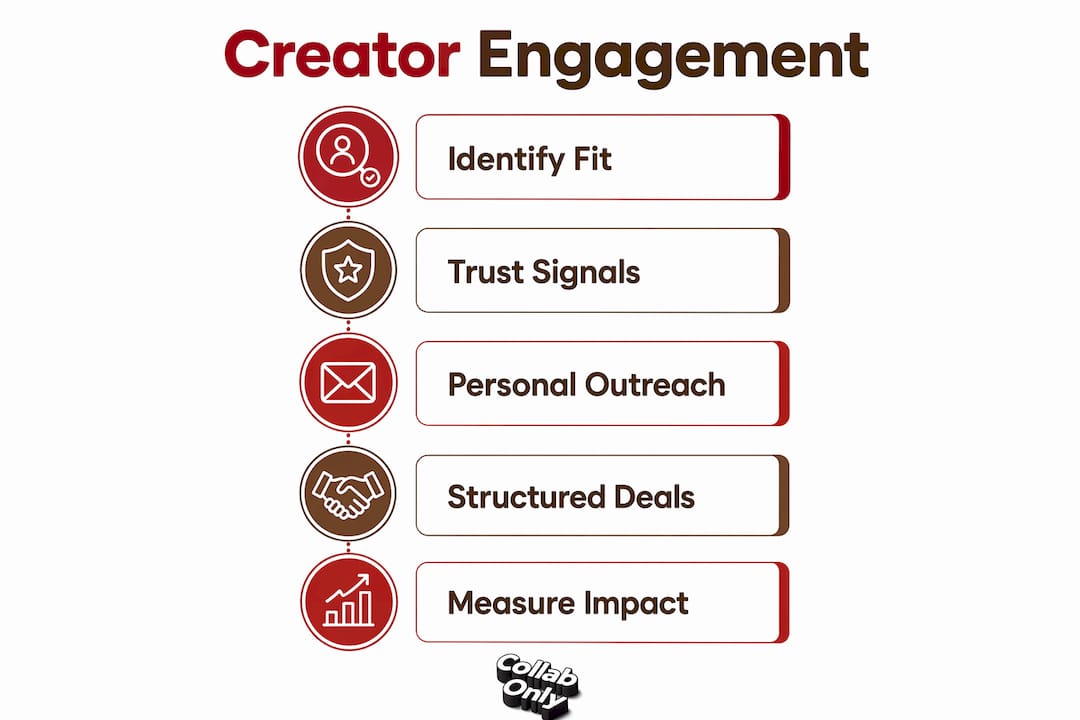
Creator engagement is defined as the practice of building personalized, trust-based relationships with content creators to produce authentic brand advocacy and measurable campaign outcomes. For marketing professionals and brand managers, knowing how to engage with creators effectively separates campaigns that generate real purchase intent from those that generate impressions alone. Platforms like TikTok, Instagram, and YouTube have shifted audience trust toward peer-credible voices, making creator partnerships a primary channel for brand growth. The brands achieving the strongest ROI are those that treat creator engagement as an attention strategy, not a reach-buying exercise.
How to engage with creators: identifying the right fit first
The first and most consequential decision in any creator partnership is selection. Follower count functions as a minimum filter, not a quality signal. The metric that actually predicts campaign performance is audience trust, measured through comment quality, sentiment diversity, and purchase intent proxies observed over a 30 to 60 day window.

Tools like HypeAuditor and Modash apply NLP-based sentiment analysis to creator comment sections, flagging accounts where engagement is concentrated among bots, repeat commenters, or low-intent responses. Trust scoring frameworks that weight engagement authenticity, comment sentiment, and purchase intent proxies produce superior creator selection models compared to reach-based filters alone. This distinction matters because a creator with 18,000 followers and a highly engaged sub-niche audience will consistently outperform a macro-creator with 500,000 followers and passive viewership.
Audience alignment is the second filter. A creator's content category must intersect with your brand's product category at the sub-niche level, not just the broad vertical. A fitness brand partnering with a general lifestyle creator is a weaker match than partnering with a creator who specifically covers functional nutrition or strength training recovery.
| Creator type | Follower range | Best use case | Typical engagement rate |
|---|---|---|---|
| Nano | 1K to 10K | Hyper-local, community-driven campaigns | 5% to 10% |
| Micro | 10K to 100K | Niche authority, product launches, affiliate | 3% to 6% |
| Macro | 100K to 1M | Brand awareness, broad reach campaigns | 1% to 3% |
| Mega / Celebrity | 1M+ | Mass visibility, cultural moments | Under 1% |
Pro Tip: When evaluating micro-creators, prioritize accounts where at least 30% of comments contain specific questions or product references. This comment pattern signals a high-intent audience actively seeking recommendations, which is the audience most likely to convert.
The Inc. article on creator trust reinforces this point directly: stop paying for reach and start partnering with knowledge creators whose audiences are actively seeking expertise. This reframe shifts selection from a volume exercise to a precision exercise, which is where brand budgets generate the highest return.
What does effective creator outreach actually look like?
Outreach is where most brand campaigns fail before they begin. Generic pitch templates, brand-first messaging, and vague collaboration proposals are the three most common errors. Creators receive dozens of pitches weekly, and the ones that earn responses are specific, concise, and creator-centric from the first sentence.
Successful outreach highlights the creator's work first and provides a zero-friction next step, such as a direct reply or a single link. The structure that consistently produces results follows this sequence:
- Open with a specific observation about the creator's recent content, referencing at least two or three posts by name or topic. Generic compliments like "love your content" register as automated. Specific references like "your breakdown of magnesium glycinate in last week's video" signal genuine engagement.
- Introduce your brand in one sentence. State what you make and who you serve. Nothing more at this stage.
- State the value for the creator clearly. Compensation, early product access, exclusives, or co-creation credit. Creators evaluate pitches based on what they receive, not what the brand needs.
- Make a single, low-friction ask. "Would you be open to a 15-minute call this week?" or "Reply here and I will send over the details" are both effective. Multi-step asks reduce response probability.
- Follow up once, politely, after five to seven business days. Over 80% of positive responses from creators come after at least one follow-up message, making follow-up a non-negotiable part of the outreach sequence.
Personalized outreach to micro-creators in the 5,000 to 50,000 follower range yields response rates of 10% to 25%. Generic mass messages perform far worse. This data point confirms that personalization is not a courtesy. It is a conversion driver.
For teams managing outreach at scale, CRM tools like Notion, Airtable, or dedicated influencer CRM platforms allow personalization to be systematized without becoming mechanical. Each creator record should include recent content notes, communication history, and preferred contact channel before the first message is sent.
Pro Tip: Send outreach through the channel the creator uses most actively for professional communication. For Instagram creators, DMs often outperform email. For YouTube creators, the business email listed in the About tab typically receives faster responses than platform messages.
How to structure and manage creator collaborations
Once a creator agrees to collaborate, the quality of the collaboration structure determines whether the partnership produces a single campaign or a long-term relationship. The industry term for this phase is collaboration management, and it encompasses deal structure, brief design, contractual clarity, and ongoing communication.
The four primary collaboration formats each serve distinct campaign objectives:
- Sponsored content: The creator produces content featuring the brand within their standard format. Best for awareness and product education. Requires a clear brief with defined deliverables and disclosure requirements.
- Gifting: The brand sends product without a paid agreement, relying on organic coverage. Effective for nano and micro-creators with high authenticity scores. Carries no guaranteed output.
- Affiliate partnerships: The creator earns a commission on tracked sales via unique codes or UTM links. Aligns creator incentives with brand revenue goals. Works best with creators who have high-purchase-intent audiences.
- Brand ambassadorships: Long-term, multi-campaign agreements that build sustained audience association. Highest investment, highest return when the creator-brand fit is strong.
Brands that demonstrate commercial maturity with contracts, clear deliverables, and professional communication consistently secure better partnerships. Creators treat their accounts as businesses, and they prefer working with brands that respect contractual clarity and professional workflows. A well-structured brief specifies content format, key messages, mandatory disclosures, usage rights, and revision limits, while leaving creative execution to the creator's judgment.
Long-term creator partnerships that include co-created content calendars, shared campaign roadmaps, and early product access produce stronger brand accuracy and creator loyalty than one-off campaigns. This approach also reduces the onboarding cost per campaign, since the creator already understands the brand's voice, product, and audience expectations.
Creator TV, defined as long-form episodic content produced by creators for streaming platforms, represents a growing format for brands seeking sustained audience attention. Streaming accounts for 66.7% of ad-supported TV time, and brands integrated into episodic creator content benefit from fandom-level loyalty at a fraction of traditional television production costs. For brands with the budget and patience for this format, the attention quality is unmatched by short-form placements.
You can review proven collaboration formats across industries to identify which deal structure aligns with your campaign objectives before committing to a creator agreement.
How do you measure the real impact of creator partnerships?
Surface metrics, specifically views, likes, and follower growth, do not predict revenue impact. The measurement framework that produces reliable ROI decisions combines authentic engagement rate, sentiment analysis, purchase intent lift, and cost efficiency metrics.
The CPTI metric, cost per true impression, evaluates a creator's fee against their authentically engaged audience rather than their total follower count. CPTI compares creator costs adjusted for engagement authenticity, enabling more precise budget allocation across a creator roster. A creator charging $2,000 with 40,000 genuinely engaged followers produces a lower CPTI than a creator charging $1,500 with 200,000 followers but a 0.4% authentic engagement rate.
| Metric | What it measures | Tool or method |
|---|---|---|
| Authentic engagement rate | Real audience interaction minus bot activity | HypeAuditor, Modash |
| Comment sentiment score | Audience attitude and purchase intent signals | NLP tools, manual review |
| CPTI | Cost efficiency per genuinely engaged viewer | Manual calculation |
| Conversion rate | Direct sales or sign-ups attributed to creator | UTM links, affiliate codes |
| Brand lift | Awareness and perception change post-campaign | Brand lift studies, surveys |
UTM parameters and unique affiliate codes provide direct attribution for conversion-focused campaigns. Brand lift studies, available through platforms like Meta and Google, measure awareness and perception shifts among audiences exposed to creator content. These quantitative signals should be paired with qualitative feedback: direct creator debriefs after each campaign surface insights about audience reactions that no dashboard captures.
Pro Tip: Run a 30-day comment sentiment audit on a creator's last 10 posts before signing any agreement. Look for comments that mention price, availability, or intent to purchase. This purchase intent proxy is the strongest leading indicator of conversion performance available without running a paid campaign.
Ongoing performance tracking, combined with consistent relationship communication, allows brands to build a ranked creator roster over time. Creators who consistently deliver above-benchmark CPTI and sentiment scores warrant priority access to new product launches and increased campaign budgets.
Key takeaways
Effective creator engagement requires trust-based selection, personalized outreach, structured collaboration agreements, and performance measurement grounded in authentic engagement metrics rather than reach alone.
| Point | Details |
|---|---|
| Select on trust signals | Use HypeAuditor or Modash to assess comment sentiment and purchase intent, not follower count. |
| Personalize every outreach message | Reference specific recent content and state creator value clearly in the first two sentences. |
| Structure collaborations professionally | Contracts, clear briefs, and defined rights usage secure better partnerships and longer relationships. |
| Measure CPTI, not just reach | Cost per true impression reveals which creators deliver real ROI against your budget. |
| Invest in long-term formats | Episodic and ambassador partnerships build audience loyalty that single-campaign placements cannot replicate. |
Why most brands are still getting creator engagement wrong
I have reviewed hundreds of creator outreach campaigns across verticals, and the pattern of failure is almost always the same. Brands approach creators as media placements rather than as business partners with their own audience relationships, content standards, and commercial expectations.
The volume-over-quality mindset is the root cause. Teams send 200 templated pitches and measure success by the number of responses, rather than sending 20 deeply personalized messages to precisely matched creators and measuring success by campaign outcomes. The math looks efficient on a spreadsheet and fails in execution.
What actually works is investing the research time upfront. Spending 20 minutes reviewing a creator's last 30 posts before sending a single message is not inefficient. It is the minimum standard for professional outreach. Creators notice immediately when a brand has done the work, and that recognition shifts the entire tone of the negotiation.
The shift toward creator marketing as a strategy built on attention quality rather than reach quantity is not a trend. It is a structural change in how audiences allocate trust. Brands that adapt their engagement practices now will hold a compounding advantage as creator audiences become more selective about the brands their trusted voices endorse.
The future of creator engagement belongs to brands willing to treat it as relationship management, not media buying.
— Samuel
Find and engage creators faster with Collabonly
Collabonly is built specifically for brands that need to move from creator discovery to active partnership without the friction of cold DMs and unanswered emails. The platform's matching system connects brands with vetted nano influencers and micro-influencers whose audience profiles align with your campaign objectives, with instant chat activated upon match to eliminate the outreach delay that kills momentum.
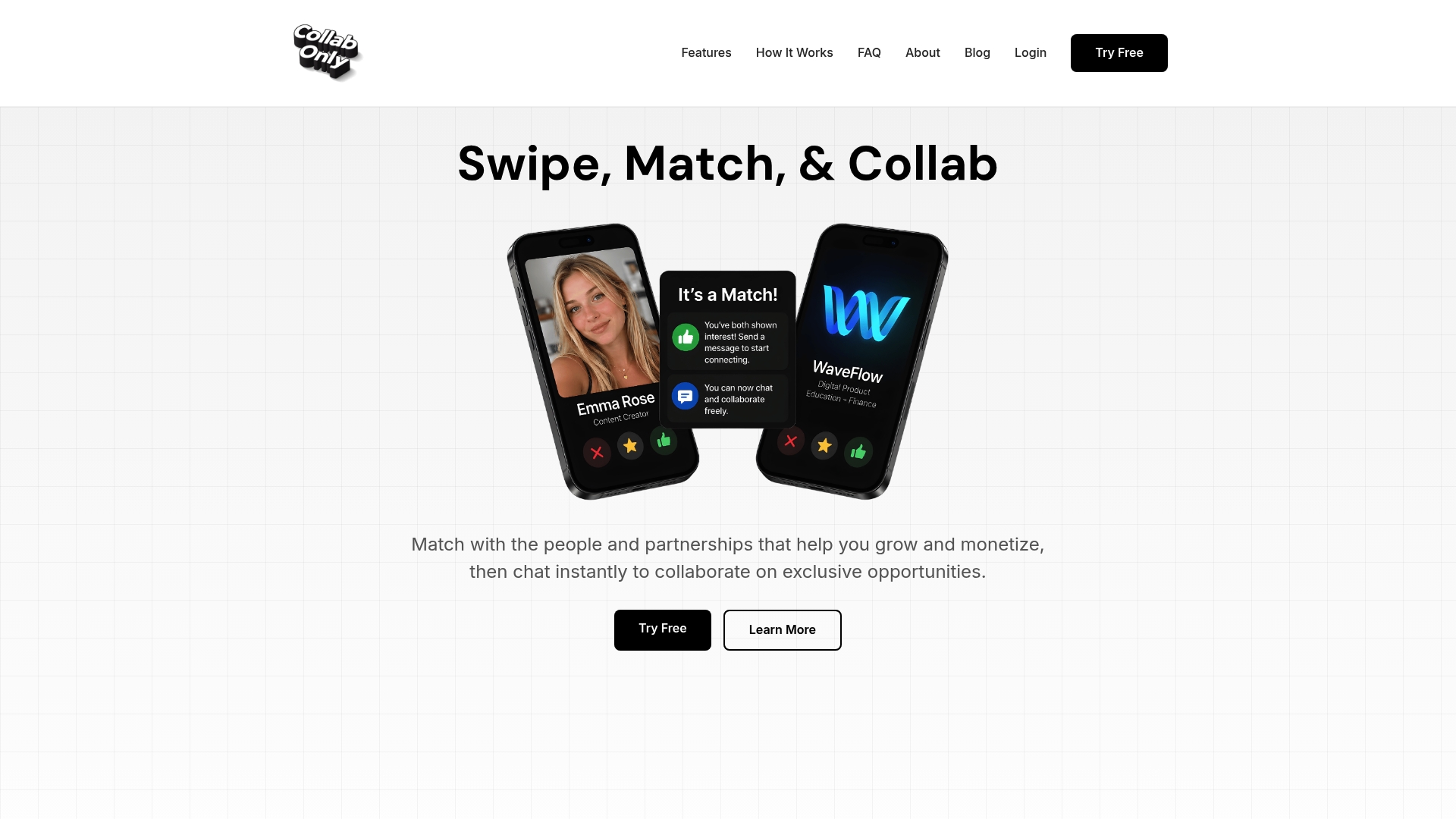
Collabonly's built-in engagement analytics surface trust signals and audience sentiment data at the point of discovery, so your team evaluates creator fit before the first conversation begins. For brand managers running multiple campaigns simultaneously, the platform's collaboration management tools centralize communication, deliverable tracking, and campaign timelines in one workspace. Start with a targeted search on the influencer marketplace to identify creators matched to your specific niche, budget, and platform.
FAQ
What is creator engagement in marketing?
Creator engagement is the practice of building personalized, trust-based partnerships with content creators to produce authentic brand advocacy. It encompasses creator selection, outreach, collaboration management, and performance measurement.
Why do trust signals matter more than follower count?
Follower count measures audience size, not audience quality. Trust signals such as comment sentiment, purchase intent language, and engagement authenticity predict whether a creator's audience will act on brand recommendations.
How do you write an outreach message that gets a response?
Reference two or three specific pieces of the creator's recent content, state your brand in one sentence, and clearly communicate the value for the creator. Personalized outreach to micro-creators yields response rates of 10% to 25% compared to generic templates.
What is the CPTI metric and how is it used?
CPTI stands for cost per true impression. It divides a creator's fee by their authentically engaged audience size, allowing brands to compare cost efficiency across creators with different follower counts and engagement rates.
How long should a creator partnership last to see real results?
Single-campaign placements generate awareness. Sustained results, including audience loyalty and measurable purchase intent lift, require multi-campaign or ambassador-level agreements that run for three months or longer.