

TL;DR:
- Effective content promotion involves a deliberate, multi-channel strategy with platforms like LinkedIn, TikTok, and Facebook requiring distinct messaging and formats. Successful campaigns are grounded in organic engagement signals before leveraging paid amplification and are sustained through regular content refreshes and internal linking. Attention to detailed planning, platform adaptation, and ongoing measurement is essential to maximize long-term reach and impact.
Content promotion tips are targeted strategies that amplify the reach, visibility, and measurable impact of digital content across owned, earned, and paid channels. Without a deliberate promotion plan, even high-quality content fails to reach the audiences it was built for. Platforms like LinkedIn, TikTok, and Facebook reward distribution consistency and engagement signals, not publishing volume alone. Tools such as Hootsuite, Google Analytics 4, and Meta Ads Manager give marketers the data infrastructure to promote content with precision. The gap between content created and content consumed is where most marketing budgets are lost, and closing that gap requires a structured, repeatable approach.
1. How to plan an effective content promotion strategy
Promotion is most effective when it is integrated into the content creation workflow from the start, not added as a final step after publishing. Marketers who plan distribution before writing produce content that is structurally easier to repurpose, share, and measure. This shift in sequencing is one of the highest-leverage changes a content team can make.

The planning process begins with defining specific KPIs tied to funnel stage. Tying content to a specific goal improves promotion effectiveness because it determines which channels, formats, and timing windows are appropriate. A top-of-funnel awareness post on LinkedIn requires a different promotion cadence than a conversion-focused case study sent via email.
A structured distribution framework covers three time windows:
- Day-of promotion: Publish across primary channels with platform-native formatting.
- First-week promotion: Re-share with a different angle, quote pull, or data highlight.
- Quarterly evergreen cycle: Resurface high-performing content with updated context or refreshed data.
Plan derivative microcontent formats before the primary piece publishes. A 1,500-word article should have a planned short-form video script, a carousel outline, and a quote graphic ready to deploy across the first week.
Pro Tip: Map UTM parameters for every distribution channel before publishing. GA4 attribution becomes unreliable without consistent UTM tagging, and you lose the ability to compare channel performance accurately.
2. What are the most effective channels for promoting content in 2026?
Each social media channel functions as a distinct ecosystem with its own algorithmic logic, audience expectations, and content format preferences. Treating all platforms as identical broadcast lists is the single most common reason promotion efforts underperform. Platform-specific adaptation is not optional; it is the baseline requirement for reach.
The major platforms and their optimal content formats in 2026 break down as follows:
- LinkedIn: Long-form native text posts, thought leadership articles, and document carousels. Place link URLs in the first comment rather than the post body to preserve algorithmic reach.
- Instagram and TikTok: Short-form video, infographics, and behind-the-scenes content. These platforms reward watch time and saves over raw click-through rates.
- X (Twitter): Short insights, data points framed as questions, and thread-based breakdowns of longer content.
- Facebook: Community group sharing, boosted posts, and event-based content. Organic link posts reach approximately 2% of page followers, which makes format and engagement design critical.
Repurposing content into video, infographics, and email sequences extends content lifespan and compounds reach across audience segments that prefer different formats. A single research report can generate a LinkedIn carousel, a TikTok explainer, an email digest, and a podcast talking point without requiring new research.
Community engagement on niche forums, Slack groups, and Reddit sub-communities adds a distribution layer that algorithms do not control. These channels deliver high-intent audiences that platform feeds rarely surface.
Pro Tip: Build a platform-specific messaging matrix before distributing. The same core insight should be reframed as a professional observation on LinkedIn, a visual hook on Instagram, and a provocative question on X.
Explore social media content formats that consistently drive engagement across these platforms to inform your format selection.
3. Which paid promotion tactics complement organic content marketing?
Paid promotion produces the highest return when it amplifies content that has already demonstrated organic traction. Boosting a post that has received zero engagement wastes budget on unvalidated creative. The correct sequence is organic first, paid second.
The workflow for Facebook boosted posts follows a specific logic. Obtaining 5 to 10 likes before boosting a post increases perceived credibility and improves click-through rates on the paid distribution. This is because social proof signals influence user behavior even within sponsored placements.
A structured paid promotion approach includes these steps:
- Identify organic posts with above-average engagement rates within the first 48 hours.
- Define a custom audience using pixel data, email list uploads, or lookalike modeling.
- Run two ad creative variants simultaneously to identify which angle drives lower cost-per-click.
- Set a defined budget cap and conversion event before launching, not after.
- Pause underperforming variants at the 72-hour mark and reallocate budget to the winner.
LinkedIn paid promotion targets by job title, company size, and seniority, making it the most precise channel for B2B content distribution. Facebook and Instagram ads offer the broadest reach at the lowest cost-per-impression for B2C content. X ads perform best for content tied to trending topics or real-time events.
Pro Tip: Boost content that shows promising organic traction within the first 24 hours. Early engagement signals predict paid performance more reliably than creative quality alone.
4. How to sustain content promotion for long-term impact
Sustained content visibility depends on regular updates and internal linking rather than one-off publishing cycles. Most content teams publish and move on, leaving compounding organic value unrealized. A repeating promotion schedule converts a single piece of content into a long-term traffic asset.
The following practices define a sustainable promotion system:
- Refresh older posts with updated statistics, new examples, or expanded sections. Refreshed posts improve ranking within 4 to 6 weeks, outperforming newly published posts on the same topic.
- Re-share content on a repeating schedule with varied angles and formats across weeks and months.
- Build internal links from new content to older high-performing pieces to distribute page authority and reduce bounce rates.
- Respond to every comment on promoted posts within 24 hours. Engagement-driven posts outperform click-only posts on social algorithms, and responsiveness signals to platforms that the content is worth amplifying.
- Monitor metrics beyond traffic volume. Pipeline contribution, time-on-page, and scroll depth indicate whether content is actually influencing decisions.
The table below outlines a repeating promotion calendar framework:
| Promotion window | Action | Format variation |
|---|---|---|
| Day of publish | Share on all primary channels | Native format per platform |
| Days 2 to 7 | Re-share with a data pull or quote | Carousel, short video, or thread |
| Week 2 to 4 | Email digest inclusion | Summary with link |
| Quarterly cycle | Refresh and re-promote | Updated post with new data |
Pro Tip: Use a content calendar tool such as Airtable, Notion, or CoSchedule to schedule quarterly re-promotion cycles at the time of original publishing. Systematic scheduling prevents high-value content from being forgotten.
Review social media growth strategies that support long-term content visibility and audience compounding.
5. Common mistakes that undermine content promotion
Most content promotion failures trace back to a small set of repeatable errors. Identifying them early prevents budget waste and audience attrition.
- Treating promotion as an afterthought: Content published without a pre-planned distribution strategy loses its highest-traffic window, typically the first 48 hours after publishing.
- Using identical messaging across all platforms: A LinkedIn caption copied directly to Instagram ignores the format expectations and algorithmic logic of each platform.
- Measuring vanity metrics: Impressions and follower counts do not indicate whether content is driving pipeline. Linking promotion to measurable KPIs prevents teams from optimizing for numbers that do not affect revenue.
- Ignoring engagement opportunities: Failing to respond to comments and shares signals low relevance to platform algorithms, suppressing further organic reach.
- Neglecting content refresh cycles: Publishing new content while ignoring existing high-performing pieces wastes the compounding SEO value that content refresh delivers over time.
- Over-promoting without adding value: Sharing the same link repeatedly without varying the angle or format trains audiences to ignore future posts.
- Submitting generic PR pitches: Journalists prefer specific, quotable insights delivered quickly. Generic HARO responses that lack a ready-to-use quote are rarely picked up.
Effective content promotion is not a publishing event. It is a repeating system of distribution, engagement, measurement, and refresh that compounds in value over time.
For additional perspective on proven promotion strategies that address these pitfalls with research-backed frameworks, the external analysis from Amigo Labz provides useful validation.
Key takeaways
Effective content promotion requires a pre-planned, multi-channel distribution system tied to specific KPIs, sustained through repeating refresh cycles and platform-native engagement.
| Point | Details |
|---|---|
| Plan before publishing | Define distribution channels, formats, and UTM parameters before content goes live. |
| Adapt to each platform | Treat LinkedIn, TikTok, Instagram, and X as distinct ecosystems with separate messaging strategies. |
| Boost organic winners | Use paid promotion only on content that has already demonstrated organic engagement signals. |
| Refresh and re-promote | Update older content with new data every quarter to sustain and improve search rankings. |
| Measure meaningful KPIs | Track pipeline contribution, scroll depth, and engagement rate rather than impressions alone. |
Why most content promotion advice misses the point
The standard advice on content promotion focuses almost entirely on the publishing moment. Post at the right time, use the right hashtags, write a strong headline. That framing treats promotion as a single event rather than a system, and that is where most teams lose ground.
What actually separates high-performing content programs from average ones is the discipline applied after publishing. The teams that consistently generate compounding organic traffic are the ones running quarterly refresh cycles, building internal link architecture deliberately, and responding to every comment within hours of posting. These behaviors are unglamorous, but they are what platform algorithms reward.
The paid promotion piece is also widely misunderstood. Most marketers boost posts too early, before organic signals have validated the creative. The correct approach is to let a post accumulate genuine engagement for 24 to 48 hours, then amplify it with budget. This sequencing produces lower cost-per-click and higher conversion rates because the social proof is already visible to new audiences.
The channel-specific adaptation point deserves more emphasis than it typically receives. Posting the same caption across LinkedIn, Instagram, and X is not multi-channel promotion. It is single-channel promotion with extra steps. Each platform has a distinct content grammar, and fluency in that grammar determines whether the algorithm surfaces your content or buries it.
The most durable content promotion strategy is one that treats every piece of content as a long-term asset, not a one-time broadcast. Build the refresh cycle into the editorial calendar at the moment of publishing, not six months later when traffic has already declined.
— Samuel
How Collabonly helps you extend content reach through creator partnerships
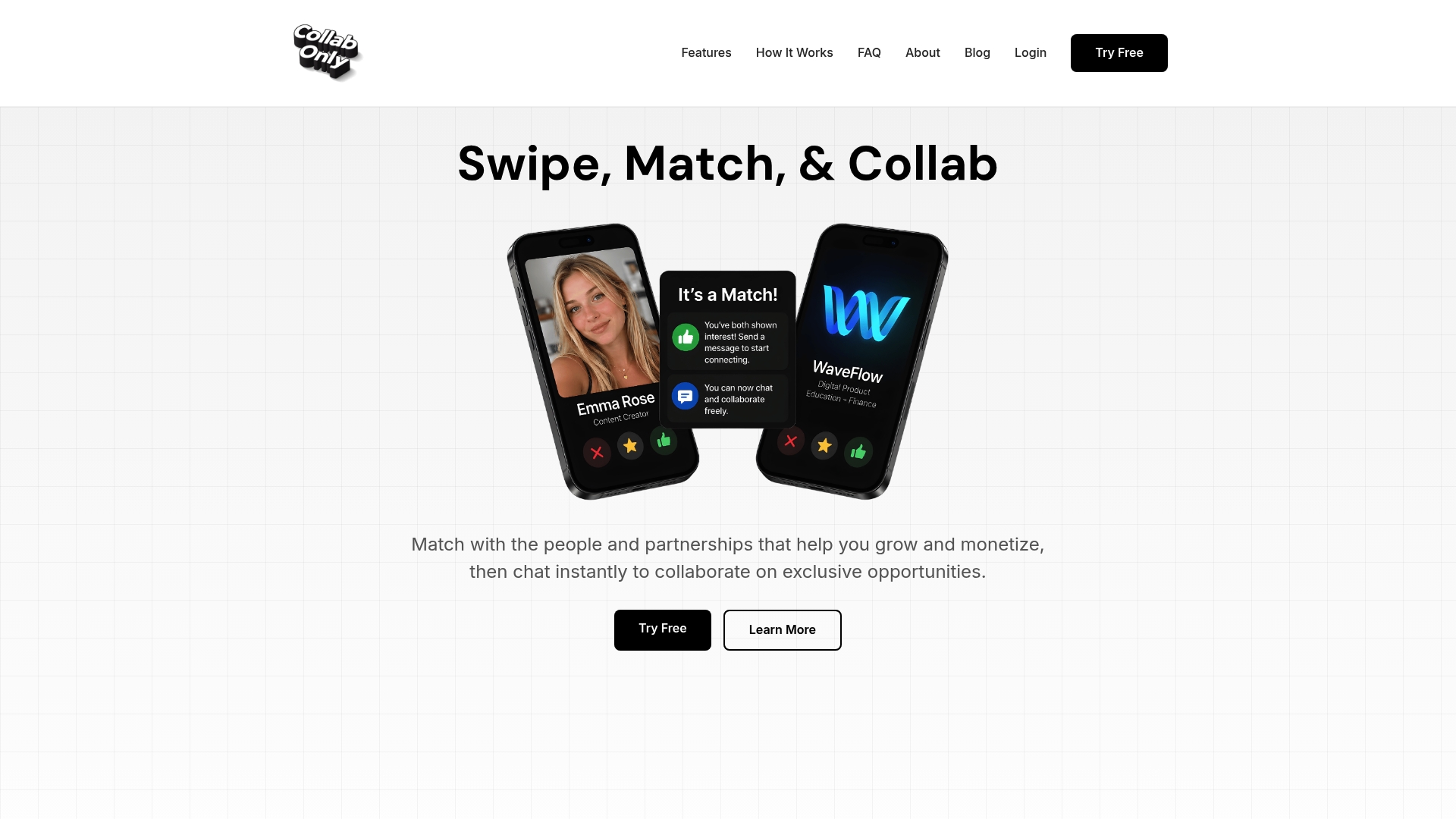
Collabonly is a creator collaboration platform that connects brands and content marketers with nano and micro influencers across TikTok, Instagram, and YouTube. When organic and paid promotion reach their ceiling, influencer partnerships introduce content to pre-built, high-trust audiences that paid ads cannot replicate. Collabonly's swipe-based matching system removes the friction of cold outreach, connecting brands with niche-specific creators whose audiences align with campaign goals. Whether you need nano influencer campaigns for geo-concentrated reach or micro influencer placements for broader category authority, Collabonly surfaces the right creators without slow email chains or lost DMs. Start building creator partnerships at Collabonly and put your content in front of audiences that are already primed to engage.
FAQ
What are content promotion tips?
Content promotion tips are specific, repeatable strategies that increase the reach and engagement of digital content across owned, earned, and paid channels. They include platform-specific distribution tactics, paid amplification methods, and content refresh cycles.
How often should you re-promote existing content?
Content should be re-promoted on a day-of, first-week, and quarterly cycle with varied messaging and formats each time. Refreshed posts improve search rankings within 4 to 6 weeks, making quarterly re-promotion a high-return practice.
Which platform is best for content promotion?
No single platform is universally best. LinkedIn performs best for B2B long-form content, TikTok and Instagram for video and visual formats, and Facebook for community-based and boosted post distribution.
When should you use paid promotion for content?
Paid promotion produces the best return when applied to content that has already generated organic engagement within the first 24 to 48 hours. Boosting unvalidated content wastes budget on creative that has not yet proven its appeal.
How do you measure content promotion effectiveness?
Measure promotion effectiveness through engagement rate, pipeline contribution, scroll depth, and conversion events tracked via GA4 and UTM parameters, rather than impressions or follower growth alone.