

TL;DR:
- A content creator produces original digital content across various formats and platforms to build an audience or serve a purpose. Success relies on discipline, consistency, and diversifying income streams like sponsorships, ads, and digital products. Emerging AI tools and strategic focus enable creators to accelerate growth and establish long-lasting careers.
The term "content creator" gets used loosely, and that looseness obscures a real career with genuine earning potential. A content creator is any individual who produces original digital content, including video, audio, written articles, graphics, or photography, and distributes it across online platforms to build an audience or serve a specific purpose. The creator economy exceeds $250 billion globally, with over 200 million people identifying as content creators. This guide covers the definition, types, skills, workflow, and monetization strategies you need to understand before building your own creative career.
Table of Contents
- Key takeaways
- What is a content creator: definition and types
- Core skills every content creator needs
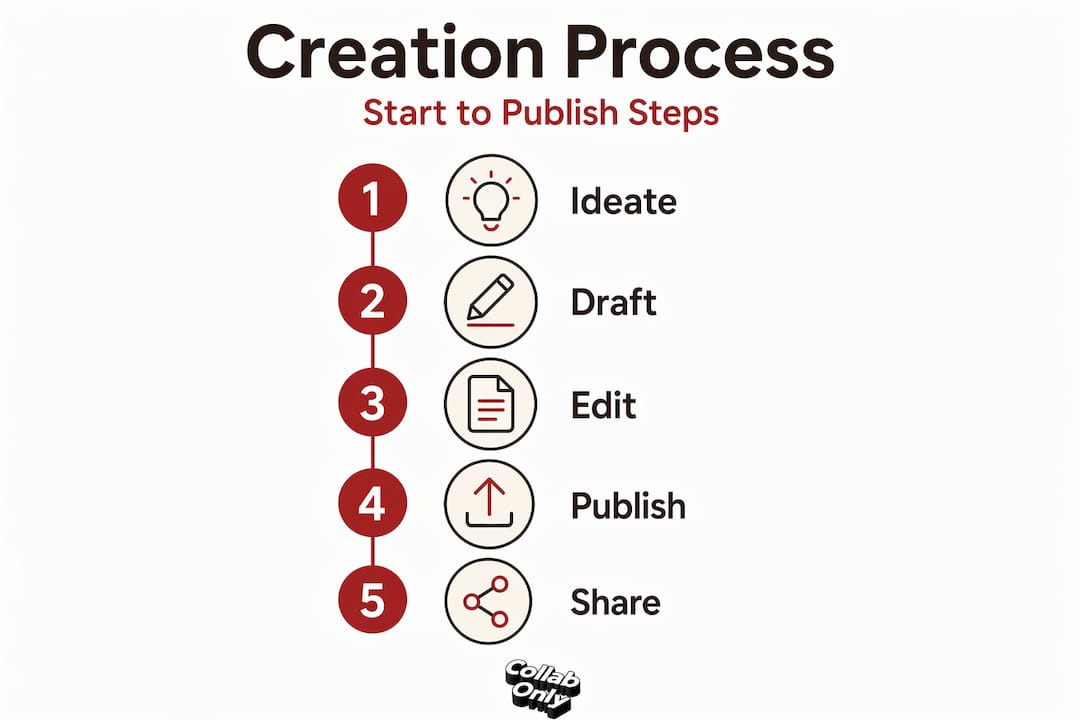
- The content creation process from start to publish
- Monetization avenues and financial management
- AI and virtual content creation in 2026
- My perspective on what actually matters
- How Collabonly helps creators connect and grow
- FAQ
Key takeaways
| Point | Details |
|---|---|
| Broad definition matters | A content creator produces original digital content across formats, not just videos or social posts. |
| Skills outweigh equipment | Storytelling and consistency drive audience growth more than expensive gear or production setups. |
| Multiple income streams | Sustainable creator income depends on diversifying across ads, sponsorships, affiliate deals, and digital products. |
| Treat it like a business | Separating personal and business finances from day one protects long-term growth and prevents financial stress. |
| AI tools accelerate entry | Emerging AI platforms reduce production costs and allow new creators to launch faster in 2026. |
What is a content creator: definition and types
The simplest definition of a content creator is someone who produces and publishes original content for a digital audience. That definition, however, covers an enormous range of specializations, formats, and platforms. Creators are distinct from influencers: not every creator is focused on persuasion or promotion. Many prioritize education, entertainment, documentation, or artistic expression. A wildlife photographer posting to Instagram and a software developer running a YouTube tutorial channel are both content creators, even though their goals and methods differ significantly.
The primary types of content creators include:
- Bloggers and writers: Produce long-form articles, newsletters, or editorial commentary, typically on personal websites or platforms like Substack. Their monetization relies heavily on SEO traffic, affiliate marketing, and paid subscriptions.
- Vloggers and video creators: Publish video content on YouTube, TikTok, or Instagram Reels. This category covers everything from daily lifestyle vlogs to highly produced documentary-style content.
- Podcasters: Create audio-first content on topics ranging from true crime to business strategy. Many podcasters also publish video versions to maximize reach across platforms.
- Graphic designers and illustrators: Build audiences around visual work, tutorials, and design commentary. Platforms like Behance, Pinterest, and Instagram serve as their primary distribution channels.
- Streamers and live content creators: Broadcast in real time on platforms like Twitch or YouTube Live, building communities through interactive engagement rather than polished production.
- User-generated content (UGC) creators: Produce branded content specifically for companies to use in their own marketing channels, often without building a large public audience themselves.
Each of these roles operates across different platforms and carries distinct audience expectations. A streamer's approach to engagement looks nothing like a blogger's. Recognizing which format aligns with your strengths is one of the first decisions aspiring creators need to make.
Core skills every content creator needs
Raw talent is rarely sufficient on its own. The skills of a content creator span both creative and technical domains, and the most durable careers are built on a combination of both. Storytelling and consistency matter more than production quality, especially in the early stages of building an audience.
The core skill set includes:
- Content ideation: The ability to generate original ideas consistently, identify gaps in your niche, and translate audience questions into compelling content formats.
- Basic technical proficiency: Platform-specific knowledge, including how algorithms work, what metadata matters for search, and how to use editing tools like CapCut, Adobe Premiere, Audacity, or Canva.
- Audience engagement: Responding to comments, creating content that invites discussion, and understanding what your audience actually wants, which is often different from what you assume they want.
- Adaptability: Platform policies change, algorithm updates shift traffic, and audience preferences evolve. Creators who treat adaptability as a core competency outlast those who do not.
- Analytical thinking: Reading your own performance metrics, identifying which content formats produce the best results, and adjusting your strategy accordingly.
The role of a content creator also demands a level of self-direction that formal employment does not always require. You set your own deadlines, manage your own output, and make judgment calls on quality without a manager reviewing your work. That autonomy is both the appeal and the challenge.
Pro Tip: Start with the equipment you already have. Thousands of creators have built substantial audiences using only a smartphone and free editing apps. Upgrade your gear only after you have validated your format and grown an audience that justifies the investment.

The content creation process from start to publish
Understanding the content creation process clarifies why experienced creators treat their work as production rather than inspiration. A structured workflow separates creators who publish consistently from those who burn out within months. Content calendars and analytics are the two tools that make the biggest operational difference over time.
A repeatable production cycle follows these steps:
- Research and ideation: Identify what your audience is searching for or talking about. Use keyword research tools, comment sections, and competitor content to surface genuine demand before producing anything.
- Scripting or planning: Outline your content structure before recording or writing. Even a brief bullet-point plan reduces editing time and improves clarity in the final product.
- Production: Record, photograph, write, or design the core content. At this stage, quantity of raw material matters. Capture more than you think you need.
- Editing: Cut aggressively. Remove anything that does not serve the audience. Good editing is where most of the craft lives, and it applies equally to video, audio, and written content.
- Publishing and optimization: Write strong titles, descriptions, and tags. Optimize for the platform's algorithm and publish at times when your audience is most active.
- Performance review: Check analytics within 48 to 72 hours of publishing. Track watch time, click-through rate, shares, and comments. Use that data to inform the next production cycle.
This process applies whether you are publishing a 10-minute YouTube video, a podcast episode, or a newsletter. The tools change, but the logic stays the same. Platforms like Later, Buffer, and Notion support scheduling and planning at scale, while content marketing automation tools can help more advanced creators manage distribution across multiple channels simultaneously.
Monetization avenues and financial management
Most aspiring creators underestimate both how many income streams are available and how much financial discipline is required to sustain them. Diversifying income across multiple revenue sources reduces the risk that any single platform change or brand deal falling through will damage your finances.
The primary monetization channels include:
- Ad revenue: Platform-based advertising income from YouTube's Partner Program, podcast ad networks, or blog display ads. This income scales with traffic and is rarely sufficient on its own.
- Brand sponsorships: Direct partnerships with companies that pay creators to feature their products or services. This is typically the largest revenue driver for mid-to-large creators.
- Affiliate marketing: Earning a commission when your audience purchases products through your unique links. It works particularly well for creators in tech, personal finance, or product review niches.
- Digital products: Courses, templates, presets, or e-books that generate passive income without ongoing production effort.
- Fan support platforms: Platforms like Patreon, Substack, or Buy Me a Coffee allow audiences to fund creators directly in exchange for exclusive content or early access.
| Revenue stream | Typical entry point | Scales with |
|---|---|---|
| Ad revenue | 1,000+ subscribers or page views | Traffic volume |
| Brand sponsorships | Any audience size if niche is clear | Engagement rate and niche value |
| Affiliate marketing | Day one | Content trust and purchase intent |
| Digital products | After establishing authority | Email list and community size |
| Fan support | Any stage | Audience loyalty |
Financial management is where many creators fail, not because they lack income but because they lack structure. Separating business and personal finances with a dedicated bank account is the most important early financial decision a creator can make. Budget explicitly for equipment upgrades, software subscriptions, taxes, and the slower months that every creator experiences.
Pro Tip: Set aside 25 to 30 percent of every payment you receive for taxes before spending anything else. Content creation income is typically self-employment income, which carries both federal and self-employment tax obligations. Not accounting for this creates serious problems at year-end.
AI and virtual content creation in 2026
The fastest-growing category within content creation in 2026 is AI-assisted and virtual creator content. AI influencer projects can begin monetizing within one to two weeks when niche selection, tool choices, and platform strategy are aligned from the beginning. That timeline would have been implausible for traditional creators even three years ago.
The current tool stack for AI content creators includes platforms like Midjourney for image generation, ElevenLabs for voice synthesis, Higgsfield for video production, and Passes.com for monetization. These tools cost between $80 and $200 monthly in total, making high-quality virtual production accessible without professional production budgets.
Key considerations for creators entering this space:
- Platform disclosure policies are tightening. TikTok, Instagram, and YouTube all require labeling for AI-generated content, and non-compliance carries account penalties.
- Niche specificity matters more with AI creators because the absence of authentic personal identity requires the content itself to carry authority and consistency.
- Human oversight remains necessary. AI tools produce raw output that still requires editorial judgment, quality control, and strategic direction to function as a viable creator brand.
For traditional creators, AI tools offer a different kind of value: accelerating production, generating first drafts, and reducing the per-piece labor required to maintain consistent output.
My perspective on what actually matters
I have spent years observing what separates creators who build durable careers from those who produce great content for six months and then disappear. The gap is almost never about talent or equipment. It is about operating discipline.
The creators who last treat content creation as a business from the first piece of content they publish, not after they hit a follower milestone or land a first brand deal. That means setting a publishing schedule and holding to it, tracking performance with the same attention a brand manager would apply, and making decisions based on data rather than instinct alone.
The most common early mistake I see is platform-hopping. Aspiring creators post on TikTok for a month, decide it is not working, switch to YouTube, then pivot to podcasting. Consistency beats perfection every time, and consistency requires staying in one place long enough for the algorithm and the audience to respond. Six months of committed output on a single platform will outperform two years of scattered effort across four.
Chasing trends is the second major pitfall. Trends are useful signals about what audiences are currently interested in, but building a content strategy around them is structurally unstable. The creators with the strongest positioning own a specific topic or perspective so clearly that their audience comes to them rather than waiting to be found by the algorithm. Understanding how content drives growth at a strategic level is more valuable long-term than any single viral moment.
The encouragement I would give any aspiring creator is direct: start with what you already know, publish before you feel ready, and treat every piece of content as a data point rather than a final judgment on your abilities.
— Samuel
How Collabonly helps creators connect and grow
For creators ready to move from producing content to generating income through brand partnerships, Collabonly removes the friction that makes traditional outreach slow and ineffective. Rather than sending cold emails or DMs that go unanswered, creators match directly with brands through a swipe-based interface, with instant chat available upon a match.
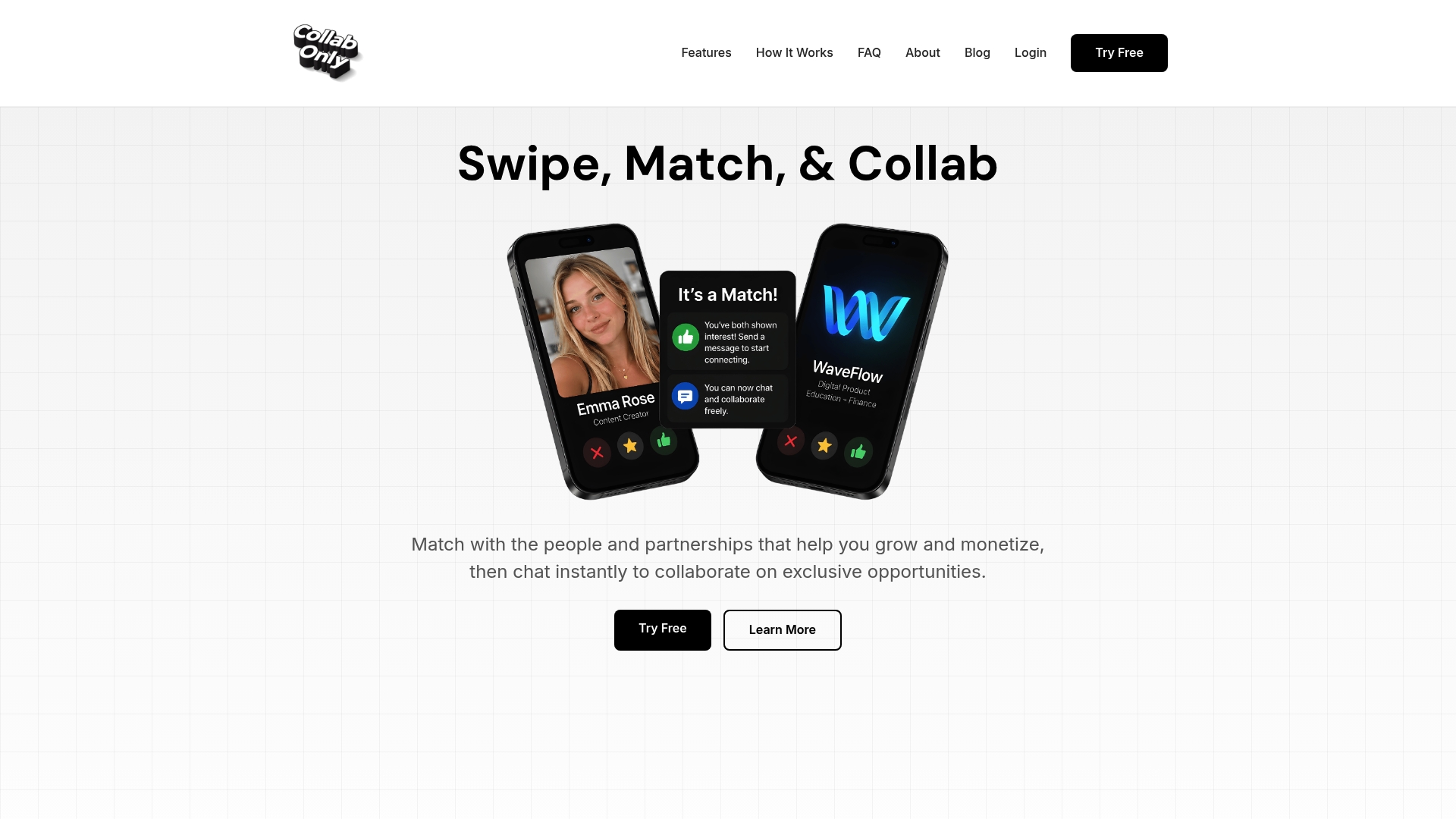
Brand collaboration with creators produces measurably stronger engagement than traditional advertising, and Collabonly is built around that insight. Whether you are a nano creator just starting to monetize or a micro influencer looking for consistent brand partnerships, the platform connects you with companies actively seeking your audience and content style. Explore the influencer marketplace to see how brands are searching for creators like you, or find out how the UGC creator platform matches content producers with brands that need original branded content.
FAQ
What is the definition of a content creator?
A content creator is any individual who produces and publishes original digital content, including video, audio, writing, or graphics, to build an audience or serve a professional purpose across online platforms.
How is a content creator different from an influencer?
Not all content creators are influencers. Creators focus on education, entertainment, or artistic expression, while influencers specifically leverage their audience to promote products or drive purchasing decisions.
What skills do you need to become a content creator?
The core skills of a content creator include content ideation, basic editing, platform-specific technical knowledge, audience engagement, and the ability to read and apply analytics to improve future content.
How do content creators make money?
Content creators earn income through multiple streams, including ad revenue, brand sponsorships, affiliate marketing, digital products, and fan support platforms. Diversifying across these channels reduces income volatility.
How long does it take to become a content creator?
Anyone can begin producing and publishing content immediately, but building a sustainable audience typically takes six to eighteen months of consistent output. Creators who treat the process as a business discipline rather than a hobby reach monetization thresholds faster.