

TL;DR:
- Effective brand promotion involves a coordinated system centered on a strong foundation, clear positioning, and measurable outcomes. Skipping foundational strategy leads to inconsistent messaging and wasted resources, while aligned channels and outcome-based metrics enhance brand growth. Cross-team coordination and documented strategies are essential for sustained success and authentic audience engagement.
Effective brand promotion is the coordinated process of building measurable brand awareness, engagement, and loyalty through purposeful strategy and execution. Most marketing professionals treat promotion as a collection of isolated activities. The ones who consistently outperform their peers treat it as a system, where brand strategy foundations, channel selection, and performance measurement operate as interdependent layers. This guide to effective brand promotion gives you a structured framework for each layer, with specific techniques, metrics, and pitfalls drawn from current branding practice.
What does a guide to effective brand promotion actually cover?
Effective brand promotion is not synonymous with advertising spend. The industry standard definition separates promotion into three measurable outcomes: brand awareness (recognition and recall), brand engagement (interaction and content sharing), and brand loyalty (repeat purchase and advocacy). Each outcome requires a different set of tactics and metrics.
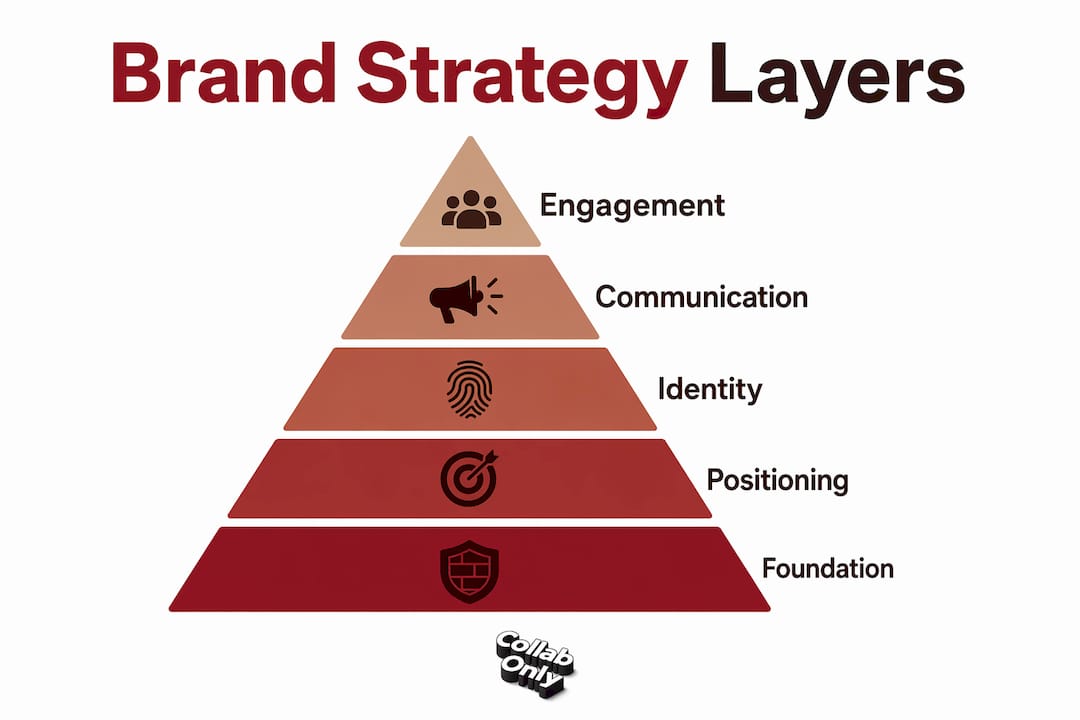
The five-layer brand strategy stack, as defined in current branding practice, provides the structural backbone for all three outcomes. The layers are foundation, positioning, identity, experience, and evolution. Skipping any layer, particularly the foundation, produces inconsistent messaging across touchpoints and forces downstream rework. Foundational strategy gaps drive up costs because design and messaging teams operate without a shared reference point.
Promotion campaigns that align with specific business objectives consistently achieve stronger brand lift and better resource utilization. The framework that follows applies to brands at any scale, from single-product startups to enterprise marketing teams managing multi-channel portfolios.
How do you build a brand strategy that supports promotion?
Brand strategy is the prerequisite for every promotion decision. Without it, channel selection, creative direction, and messaging all default to aesthetic guesswork. The five-layer strategy stack gives marketing teams a structured sequence to follow before any promotion budget is committed.

| Strategy layer | Role in promotion |
|---|---|
| Foundation | Defines mission, values, and audience; anchors all messaging decisions |
| Positioning | Establishes competitive differentiation and the brand's market claim |
| Identity | Translates strategy into visual and verbal expression (logo, tone, language) |
| Experience | Specifies how customers interact with the brand across every channel |
| Evolution | Sets the process for updating strategy as market conditions shift |
The most common error at this stage is confusing brand identity with brand strategy. Identity is the expression. Strategy is the foundation that directs what that expression should communicate. Identity without strategy produces visually coherent but strategically incoherent brands, where the logo looks polished but the messaging fails to differentiate.
Positioning deserves particular attention because it defines what the brand claims to do better than any alternative. A positioning statement should be falsifiable: if a competitor could say the same thing without contradiction, the positioning is too generic. Specificity at the positioning layer makes every downstream promotion decision faster and more consistent.
Pro Tip: Before briefing any creative team, write a single positioning sentence in this format: "For [audience], [brand] is the only [category] that [differentiator], because [proof point]." If you cannot complete it without hedging, the foundation layer needs more work.
Which channels should you prioritize for maximum promotion impact?
Channel selection is the decision that most directly determines whether promotion investment reaches the right audience. Promotion strategies aligned with specific business objectives achieve higher ROI and stronger brand lift than those built around channel availability or team familiarity.
The criteria for channel selection are audience concentration, engagement quality, and alignment with the brand's stage of awareness. A brand building initial recognition needs different channels than one converting an already-aware audience. The following channel types each serve a distinct strategic function:
- Social media (TikTok, Instagram, YouTube): builds peer-credibility and organic reach through creator-distributed content, particularly effective for sub-niche audience penetration
- Paid digital advertising: delivers geo-concentrated reach and precise audience targeting for time-sensitive campaigns
- Events and experiential marketing: generates high-quality brand experience data and direct audience feedback
- Influencer partnerships: transfers audience trust from creator to brand, with nano and micro influencers producing higher engagement rates relative to follower count than macro-tier creators
- Content marketing and SEO: builds a digital paper trail of third-party signals that verify brand credibility and improve search visibility over time
Cross-functional team coordination is the operational requirement that most brands underestimate. Siloed promotion activities produce diluted impact and inconsistent messaging, even when individual channel strategies are sound. A centralized marketing calendar prevents promotion frequency burnout and ensures that timing across channels reinforces rather than contradicts the core message.
Pro Tip: Map channel dependencies before launch. If your paid social campaign references a landing page that your SEO team has not yet published, the campaign will underperform regardless of creative quality. Dependency mapping is a five-minute exercise that prevents costly misalignment.
How do you measure whether your brand promotion is working?
Measurement is where most brand promotion programs lose discipline. Teams track vanity metrics, report on activity rather than outcomes, and fail to connect digital signals to actual brand perception shifts. The correct approach combines digital KPIs with direct audience feedback to produce a complete picture of brand recognition and perception.
Tracking social reach, search volume, website traffic, and customer surveys gives marketing teams the data needed to identify whether awareness is growing across channels. Each metric type answers a different question about brand health.
| Metric | What it measures | Implication |
|---|---|---|
| Branded search volume | Unprompted brand recall | Rising volume indicates growing top-of-mind awareness |
| Social reach and share rate | Content distribution and peer-credibility | High share rates signal audience alignment with brand messaging |
| Website direct traffic | Brand recognition driving intent | Increasing direct visits confirm awareness converting to consideration |
| Net Promoter Score (NPS) | Customer loyalty and advocacy likelihood | NPS trends reveal whether experience layer is performing |
| Brand sentiment audit | Qualitative perception across channels | Negative sentiment spikes identify messaging or experience failures |
Brand lift measurement, which compares brand perception before and after a campaign, is the most direct indicator of promotion effectiveness. AI-powered analytics tools now make brand lift accessible to teams without enterprise research budgets, using social listening and search trend data to approximate survey-based lift studies.
Building a digital paper trail through third-party reviews, user-generated content, and consistent cross-channel presence strengthens both search visibility and customer trust during the consideration phase. These high-authority signals reinforce E-E-A-T (Experience, Expertise, Authoritativeness, Trustworthiness), which search engines use to rank brand-related content. Original research and case studies, classified as "information gain" content, produce measurably higher visibility and engagement than generic brand content.
What are the most common brand promotion mistakes?
The most expensive brand promotion mistakes share a common root: they result from skipping foundational work and treating promotion as a series of independent campaigns rather than a coordinated system. Recognizing these patterns before they compound saves significant budget and time.
-
Confusing brand identity with brand strategy. Teams invest in visual identity work before completing positioning, which produces aesthetically consistent but strategically incoherent communication. Strategy must precede identity, not follow it.
-
Running promotions too frequently without coordination. Frequency burnout dilutes brand value and confuses customers about what the brand actually stands for. A centralized calendar with defined promotion windows prevents this.
-
Siloing promotion activities by channel or department. When social, paid, and content teams operate independently, the brand message fragments across touchpoints. Cross-functional briefings and shared messaging documents are the structural fix.
-
Measuring activity instead of outcomes. Reporting on posts published, emails sent, or ads served tells you nothing about brand health. Replace activity metrics with outcome metrics: branded search volume, NPS, and direct traffic trends.
-
Neglecting the evolution layer of brand strategy. Markets shift, audiences change, and competitor positioning evolves. Brands that treat strategy as a one-time exercise lose differentiation over time. Schedule a formal strategy review at least annually.
Brands that grow their audience consistently share one operational habit: they document their strategy decisions and use those documents to brief every team member working on promotion. Documentation is not bureaucracy. It is the mechanism that keeps messaging consistent at scale.
Key Takeaways
Effective brand promotion requires a foundation-first approach, coordinated channel execution, and outcome-based measurement to produce consistent brand growth.
| Point | Details |
|---|---|
| Strategy before identity | Complete all five strategy layers before briefing any creative or channel team. |
| Channel selection criteria | Choose channels based on audience concentration and brand awareness stage, not team familiarity. |
| Centralized coordination | Use a shared marketing calendar to prevent frequency burnout and messaging fragmentation. |
| Outcome-based measurement | Track branded search volume, NPS, and direct traffic rather than activity metrics. |
| Avoid siloed promotion | Cross-functional briefings and shared messaging documents keep brand communication consistent at scale. |
The foundation-first principle most teams still ignore
The single most consistent finding across brand promotion programs that underperform is this: the team skipped the foundation layer and went straight to channel execution. I have seen this pattern repeat across brands at every scale. The symptoms are always the same. Creative briefs that contradict each other. Social content that does not match the website tone. Paid ads that generate clicks but no brand recall.
The foundation-first principle is not a theoretical preference. It is an operational necessity. When strategy is documented and shared, every downstream decision, from influencer selection to ad copy to event messaging, has a reference point. Without that reference point, each team member makes independent judgment calls, and the brand fragments.
The emerging priority for 2026 is information gain content: original research, documented case studies, and proprietary data that no competitor can replicate. Generic brand content is increasingly invisible in both search and social feeds. Brands that invest in producing genuinely original material build a compounding digital authority that paid promotion cannot replicate.
Cross-team coordination is the other undervalued lever. The brands I have seen execute promotion most effectively treat their marketing calendar as a shared operating document, not a departmental artifact. When paid, organic, and partnership channels align on timing and message, the combined effect exceeds what any single channel produces independently.
— Samuel
How Collabonly connects brands with the right promotion partners
Brand promotion campaigns that rely on influencer partnerships require the right match between brand positioning and creator audience. Collabonly connects brands directly with nano and micro influencers across TikTok, Instagram, and YouTube through a swipe-based matching system that eliminates the slow outreach cycles that delay campaign launches.
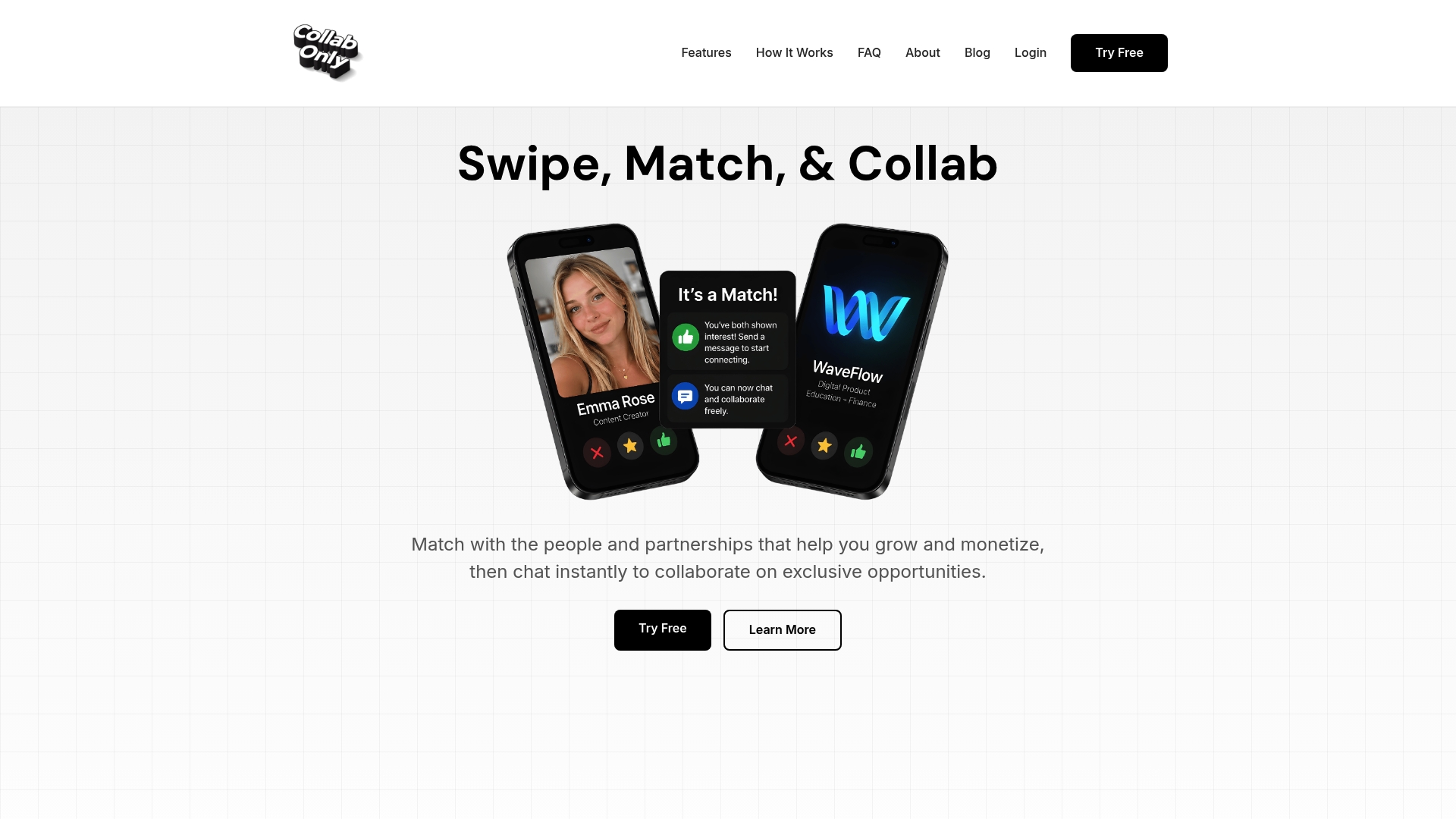
For brand managers building coordinated promotion campaigns, Collabonly's nano influencer platform provides access to creators with highly concentrated, engaged audiences that align with specific sub-niches. Brands that need broader reach can connect with vetted micro influencer partners whose follower bases deliver peer-credibility at scale. Both tiers support the kind of authentic, goal-aligned partnerships that reinforce brand positioning rather than dilute it.
FAQ
What is effective brand promotion?
Effective brand promotion is the coordinated process of building brand awareness, engagement, and loyalty through purposeful strategy and execution across multiple channels. It requires a documented brand strategy, aligned channel selection, and outcome-based measurement.
How do you measure brand promotion success?
Combine digital KPIs such as branded search volume, social reach, and direct website traffic with direct audience feedback through surveys and sentiment analysis. This combination gives a complete picture of brand recognition and perception shifts.
What channels work best for brand promotion?
The best channels depend on your audience's concentration and your brand's awareness stage. Social media builds peer-credibility, influencer partnerships transfer audience trust, and content marketing builds long-term search visibility through high-authority digital signals.
Why do brand promotion campaigns fail?
Most failures trace back to skipping foundational strategy work, running promotions without cross-team coordination, or measuring activity instead of outcomes. Siloed promotion activities consistently produce diluted impact and inconsistent messaging.
How often should you run brand promotions?
Promotion frequency should be governed by a centralized marketing calendar that aligns timing across all channels. Running promotions too frequently causes frequency burnout, which dilutes brand value and confuses customers about the brand's core message.