

A repeatable digital campaign process follows seven stages: define SMART goals tied to a business outcome, select one primary play per SES pillar (Search, Email, Social), design tracking and UTM conventions before any asset is created, produce and QA creative, launch in a controlled owned-to-paid sequence, run a structured optimization loop, then document results in a post-campaign report. This sequence, grounded in the seven-stage campaign management framework, prevents the two most common and costly failures: broken attribution from late tracking setup and budget waste from premature scaling on noisy signals.
A quick KPI snapshot by funnel stage: awareness (impressions, reach, CPM), consideration (click-through rate, video view rate, email open rate), conversion (conversion rate, cost per acquisition, ROAS). Before the first kickoff meeting, confirm three things:
- Business outcome is documented (revenue target, lead volume, or retention rate).
- A single north-star metric is named and agreed upon by all stakeholders.
- Tracking plan (GA4 events, pixels, UTM naming convention) is drafted before creative briefs go out.
Key Takeaways
A repeatable digital campaign process requires SMART goals tied to a business outcome, tracking designed before any asset is built, and a structured post-campaign review that converts results into institutional knowledge.
| Point | Details |
|---|---|
| Start with a business outcome | Translate revenue, lead, or retention targets into SMART goals before selecting any channel. |
| Design tracking before creative | Set up GA4 events, pixels, and UTM conventions before the first brief is written to prevent attribution gaps. |
| One workhorse play per SES pillar | Commit to one primary play in Search, Email, and Social; do not launch more than three channel plays simultaneously. |
| Launch owned before paid | Activate email and organic channels 24–48 hours before paid media to catch errors at zero media cost. |
| Document every campaign | Complete a post-campaign report within two weeks of close; assign each learning to a named owner with a deadline. |
| Collabonly for creator speed | Collabonly's matching platform compresses creator discovery and outreach, cutting weeks from the pre-production timeline. |
Table of Contents
- What does a strong digital campaign process guide actually cover?
- How do you select channels and build an integrated plan?
- How do you set up tracking and prepare assets for launch?
- What does an effective optimization loop look like?
- How do you build a realistic timeline and budget?
- Which KPIs and attribution models should you use?
- What does a pre-launch checklist look like?
- How do you document results and build institutional knowledge?
- How do creator collaborations fit into a multi-channel campaign?
- How should you handle a crisis during a live campaign?
- What tends to separate campaigns that compound from those that plateau?
- Collabonly connects campaign teams with creators faster
- Sources
- FAQ
What does a strong digital campaign process guide actually cover?
Strategy and measurement are the two pillars that hold every other campaign decision together. Without a documented business outcome at the top and a measurement plan at the bottom, channel selection and creative production are guesswork dressed up as planning.
Setting business-linked SMART goals
Strategy begins with a business outcome, not a channel preference. Revenue growth, qualified lead volume, customer retention rate — each of these translates into a distinct campaign objective, and that objective determines which KPIs are meaningful. The American Marketing Association draws a clear line between strategy (goals and channels) and tactics (specific execution steps); conflating the two is where most campaign plans lose coherence.
A SMART goal template for three funnel stages:
- Awareness: "Achieve 2 million impressions among U.S. adults aged 25–44 in the consumer electronics category within 60 days, measured via paid social and programmatic CPM."
- Consideration: "Generate 5,000 product-page visits from organic search within 90 days, with an average session duration above 2 minutes, measured in GA4."
- Conversion: "Deliver 300 qualified demo requests at a cost per acquisition below $85 within the campaign flight, tracked via GA4 conversion events and CRM pipeline entry."
Each goal names the audience, the metric, the target value, the timeframe, and the measurement method. Any goal missing one of those five elements is not yet SMART.
Persona and value proposition checklist
Audience definition requires three layers. Demographic or firmographic data (age, location, job title, company size) establishes who the person is. Behavioral data (purchase history, content consumption patterns, platform usage) establishes what they do. Psychological data (motivations, pain points, decision criteria) establishes why they act. For audience segmentation that holds up under campaign pressure, all three layers need to be documented before channel selection begins.
The value proposition should answer one question: why should this specific audience choose this offer over the alternatives available to them right now? A defensible value message names the audience segment, the primary benefit, and the differentiator. Generic claims ("high quality," "best in class") do not survive contact with a competitive ad auction.
Pro Tip: Pick one primary success metric (the north star) and one leading indicator per funnel stage. The north star keeps optimization decisions anchored to the business outcome; the leading indicators give you early signal before lagging revenue metrics are statistically meaningful.
How do you select channels and build an integrated plan?
The SES framework — Search, Email, Social — is the most practical decision filter for channel selection at campaign launch. Commit to one primary play per pillar before adding any additional channels. One strong, well-resourced play per pillar consistently outperforms three underfunded plays spread across six channels.
Channel decision rules (apply before committing budget):
- Audience fit: does the target persona actively use this channel for the type of content the campaign will produce?
- Time-to-impact: does the campaign timeline allow for the channel's typical ramp (paid search can deliver traffic in days; SEO takes months)?
- Cost profile: does the channel's CPM or CPC fit within the available media budget at the required reach?
- Capacity: does the team have the creative production bandwidth to maintain this channel at the required frequency?
- Do not attempt more than three channel plays at launch; choose one ad format per paid channel.
For platform-enabled channel integration, the principle is that each channel should feed the next: paid social drives awareness and retargeting lists, email nurtures consideration-stage leads, and search captures conversion-ready demand.
| Funnel Stage | Primary Channel | Example Asset | Primary KPI |
|---|---|---|---|
| Awareness | Paid social (Meta, TikTok) | 15-second video ad | CPM, reach |
| Consideration | Email nurture sequence | 3-email drip with case study | Open rate, click-to-open rate |
| Conversion | Paid search (Google Ads) | Responsive search ad + landing page | Conversion rate, CPA |
| Retention | Owned email + SMS | Post-purchase sequence | Repeat purchase rate, LTV |
Content allocation across owned, paid, and earned: owned content (blog posts, email, organic social) should anchor the campaign and remain live after the paid flight ends; paid media amplifies reach during the active window; earned coverage (press, UGC, creator posts) extends reach without incremental media spend.
How do you set up tracking and prepare assets for launch?
The tracking-first rule is the single most consequential operational decision in any campaign. Design UTM parameters, GA4 event names, conversion events, and platform pixels before the first creative brief is written. Retrofitting measurement after assets are live produces attribution gaps that cannot be recovered.
Tracking setup checklist
- GA4: confirm property is live, data stream is active, and enhanced measurement is enabled.
- Conversion events: define and test at least one primary conversion event (form submit, purchase, demo request) and one micro-conversion (scroll depth, video play, email signup).
- Platform pixels: Meta Pixel, TikTok Pixel, and LinkedIn Insight Tag installed and verified via each platform's native diagnostic tool.
- UTM naming convention: lowercase only, no spaces (use underscores), consistent
utm_campaignvalue across all channels for the same campaign flight. - Server-side tagging: evaluate for campaigns where iOS privacy changes or ad blockers are likely to suppress client-side data.
UTM example: utm_source=meta&utm_medium=paid_social&utm_campaign=q2_product_launch&utm_content=video_15s_awareness
Creative brief template
- Objective: one sentence stating the campaign goal this asset supports.
- Audience: named persona segment and funnel stage.
- Single message: one claim the audience should remember after exposure.
- Assets required: list each deliverable with format, dimensions, and file type.
- Specs: platform-specific technical requirements (aspect ratio, character limits, safe zones).
- Deadlines: creative submission, internal review, and trafficking dates.
Pro Tip: Run a QA pass on every asset against four criteria before trafficking: all links resolve correctly, image and text specs meet platform requirements, accessibility basics are met (alt text, caption files for video), and legal necessities are confirmed (privacy notice link, opt-out language for email, FTC disclosure for creator content).
Content development methodology applied at the brief stage reduces revision cycles and prevents the most common launch-day delays: missing specs, broken landing page links, and unapproved copy.
What does an effective optimization loop look like?
The core optimization loop runs in four steps: monitor, hypothesize, test, decide. Frequency varies by channel — paid media warrants daily spend pacing checks in the first week, while email and SEO metrics are more reliably read on a weekly or monthly cadence.
- Monitor: pull the agreed KPIs at the defined cadence. Flag any metric that deviates more than 20% from the benchmark in either direction.
- Hypothesize: state a specific, testable reason for the deviation. "CTR is 0.4% versus a 1.2% benchmark because the headline does not reference the audience's primary pain point."
- Test: run one variable at a time. For A/B tests, define the hypothesis, the success metric, the minimum detectable effect, and the required sample size before the test goes live. A common failure mode is calling a winner on insufficient data.
- Decide: apply a pre-defined decision rule. If variant B achieves statistical significance at 95% confidence and the primary metric improves by at least 10%, roll it out. If not, document the result and move to the next hypothesis.
Optimization checklist for the first two weeks post-launch:
- Daily: spend pacing (are you on track to exhaust the budget at the planned rate?), frequency (are paid social audiences being over-exposed?), and any platform disapprovals.
- Weekly: CTR trends by creative, conversion rate by channel, cost per acquisition versus target, and email deliverability metrics.
- Monthly: channel-level ROAS, organic traffic trends, and lead-to-opportunity conversion rate from CRM.
Pause any ad set with a frequency above 3.5 in a seven-day window before creative fatigue compounds. Warmup windows for new paid accounts or new campaigns on Meta and Google typically run 7–14 days before performance data is statistically stable enough to support scaling decisions.
Organic growth planning follows a parallel cadence: track keyword ranking movement weekly, but evaluate content performance against traffic and conversion goals monthly, since organic signals lag paid by weeks.
How do you build a realistic timeline and budget?
A mid-sized multi-format campaign typically requires 8–12 weeks from kickoff to first live media. Smaller two-channel campaigns can compress to four to six weeks, but only when tracking infrastructure is already in place and creative assets are pre-approved.
Sample milestone timeline:
Budget breakdown guidance (percentage of total campaign budget):
- Paid media: 50–60% (the largest single allocation for most campaigns).
- Creative production: 20–25% (video production commands the upper end of this range).
- Talent and creator fees: 10–15% for campaigns with influencer or creator components.
- Analytics and tooling: 5% (GA4 is free; paid attribution tools, survey tools, and reporting platforms add cost).
- Contingency: 5–10% reserved for creative revisions, platform cost fluctuations, and crisis response.
RACI roles for a standard campaign team:
| Role | Strategy | Creative | Media Buying | Tracking | Reporting |
|---|---|---|---|---|---|
| Campaign Manager | Accountable | Consulted | Accountable | Accountable | Accountable |
| Creative Director | Consulted | Accountable | Informed | Informed | Informed |
| Media Buyer | Informed | Consulted | Responsible | Consulted | Responsible |
| Analytics Lead | Responsible | Informed | Consulted | Responsible | Responsible |
| Legal/Compliance | Consulted | Consulted | Informed | Informed | Informed |
Prioritize external vendors for specialized video production, advanced programmatic buying, and server-side tagging implementation — these are high-skill, time-bounded tasks where internal generalists consistently underperform specialists.
Which KPIs and attribution models should you use?
Measurement connects marketing KPIs to business outcomes by tracking both leading indicators (CTR, open rate, engagement rate) and lagging revenue metrics (ROAS, CAC, LTV). Decide which metrics belong in each category before launch, not after.
Attribution model selection:
- Last-click: simple to implement, over-credits the final touchpoint (typically branded search or direct). Appropriate for single-channel campaigns or when the buying cycle is very short.
- Data-driven (Google Ads, Meta): distributes credit across touchpoints based on observed conversion paths. Requires sufficient conversion volume (typically 30+ conversions per month per channel) to be statistically reliable.
- Multi-touch (linear, time-decay, position-based): useful for understanding the full path but requires a dedicated attribution platform and clean UTM data across all channels.
Essential reporting dashboard fields: spend, impressions, clicks, conversions, conversion rate, cost per conversion, ROAS, and LTV estimates where available. Operational dashboards (for the campaign team) should update daily; executive summaries should be weekly during the active flight and monthly post-campaign, with every metric linked back to the original campaign objective.
What does a pre-launch checklist look like?
Complete campaign plans document objectives, audience, channels, timelines, and metrics — and the pre-launch checklist is where that documentation gets verified against reality before budget is committed.
Campaign brief template (copy into your project management tool):
- Campaign name and flight dates.
- Business objective and SMART goal.
- Primary audience segment and persona reference.
- Single campaign message and value proposition.
- Channel list with budget allocation per channel.
- Asset inventory with trafficking deadlines.
- Tracking plan reference (UTM convention doc, GA4 event list).
- Legal review sign-off date.
- Stakeholder approval chain and escalation contact.
Pre-launch QA checklist:
- All UTM parameters are applied and tested in GA4 real-time view.
- Conversion events fire correctly on all target pages (verified via GA4 DebugView or Tag Assistant).
- Platform pixels return a "healthy" status in Meta Events Manager and Google Tag Manager.
- All ad creatives are approved by the platform (no pending or rejected status).
- Landing pages load in under three seconds on mobile (test via Google PageSpeed Insights).
- All links in email sequences and ads resolve to the correct destination.
- Privacy notice link is present on all landing pages; email opt-out link is functional.
- FTC disclosure language is confirmed for any creator or influencer content.
- Legal review is signed off and documented.
72-hour monitoring plan:
- Hour 1: confirm all tracking is firing in real time; verify spend is pacing correctly; check for platform disapprovals.
- Hour 24: review CTR and CPM versus benchmarks; confirm email deliverability rate above 95%; flag any conversion event anomalies.
- Hour 72: assess cost per acquisition versus target; review frequency and creative performance by variant; decide whether to proceed, pause, or adjust budget allocation.
Launch sequencing: activate owned channels (email, organic social, blog) before paid media goes live. This gives the team a 24–48-hour window to catch broken links, tracking gaps, and copy errors at zero media cost before paid amplification begins.
How do you document results and build institutional knowledge?
Post-campaign documentation converts a one-time execution into a reusable asset. Without it, the same mistakes recur in the next campaign and the same questions get re-answered from scratch.
Post-campaign report template:
- Performance summary: actual versus goal for each SMART objective, with percentage variance.
- What worked: top-performing channels, creatives, and audience segments, with supporting data.
- What did not work: underperforming elements and the most likely causal explanation.
- Learnings and next steps: three to five specific, prioritized recommendations for the next campaign.
- Asset inventory: links to all final creative files, copy documents, and tracking configuration.
Lessons-learned format: hold a 30-minute retrospective within two weeks of campaign close. The campaign manager owns the recommendations backlog; each recommendation should be assigned to a named owner with a target implementation date. Unassigned recommendations do not get implemented.
Asset archive guidelines: use a consistent folder structure (Campaign Name / Channel / Asset Type / Version), apply a naming convention that includes campaign name, channel, format, and version number (e.g., Q2_ProductLaunch_Meta_Video_15s_v2.mp4), and preserve metadata including original specs, platform, and flight dates. Update the campaign brief template and UTM convention document after each campaign to reflect any changes in naming rules or platform requirements.
How do creator collaborations fit into a multi-channel campaign?
Creator and influencer collaborations map directly to the campaign funnel. At the awareness stage, creators produce hero content that reaches new audiences through peer-credibility rather than paid reach. At the consideration stage, product demos and tutorials from creators with relevant sub-niche authority address objections more effectively than brand-produced content. At the conversion stage, social proof posts and affiliate links from creators with high audience trust drive purchase intent among warm audiences. For partnership campaign examples that illustrate these roles across funnel stages, the pattern is consistent: creators are most effective when their content role is matched to their audience's relationship with the category.
Influencer brief template:
- Campaign objective and funnel stage the creator is supporting.
- Audience segment the creator's content should reach.
- Single message the content must communicate.
- Mandatory inclusions: FTC disclosure language, brand handle tag, campaign hashtag.
- Prohibited content: competitor mentions, unverified claims, off-brand visual styles.
- Deliverables: format, platform, quantity, and posting schedule.
- Usage rights: duration, channels, and whether the brand may repurpose the content in paid media.
- Payment terms and revision rounds.
Creator selection checklist:
- Reach: does the creator's follower count and average reach match the campaign's awareness target?
- Engagement rate: is the engagement rate consistent with the creator's tier (nano, micro, macro)?
- Content fit: does the creator's existing content style align with the campaign's visual and tonal direction?
- Audience overlap: does the creator's audience demographic match the campaign's target persona?
- Usage rights: is the creator willing to grant the usage rights the campaign requires?
Legal compliance minimums for U.S. campaigns: the FTC requires clear and conspicuous disclosure of any material connection between a creator and a brand, including gifted products, paid partnerships, and affiliate arrangements. "Ad," "Paid partnership," or "#sponsored" placed prominently at the start of a post or in the first three seconds of a video satisfies the standard. Usage rights and payment terms must be documented in a written agreement before content is produced.
Pro Tip: Require creators to supply native-format assets and editable source files (layered video projects, raw footage) at delivery. This allows the brand to produce platform-specific cuts, add captions, and iterate on creative without returning to the creator for every revision.

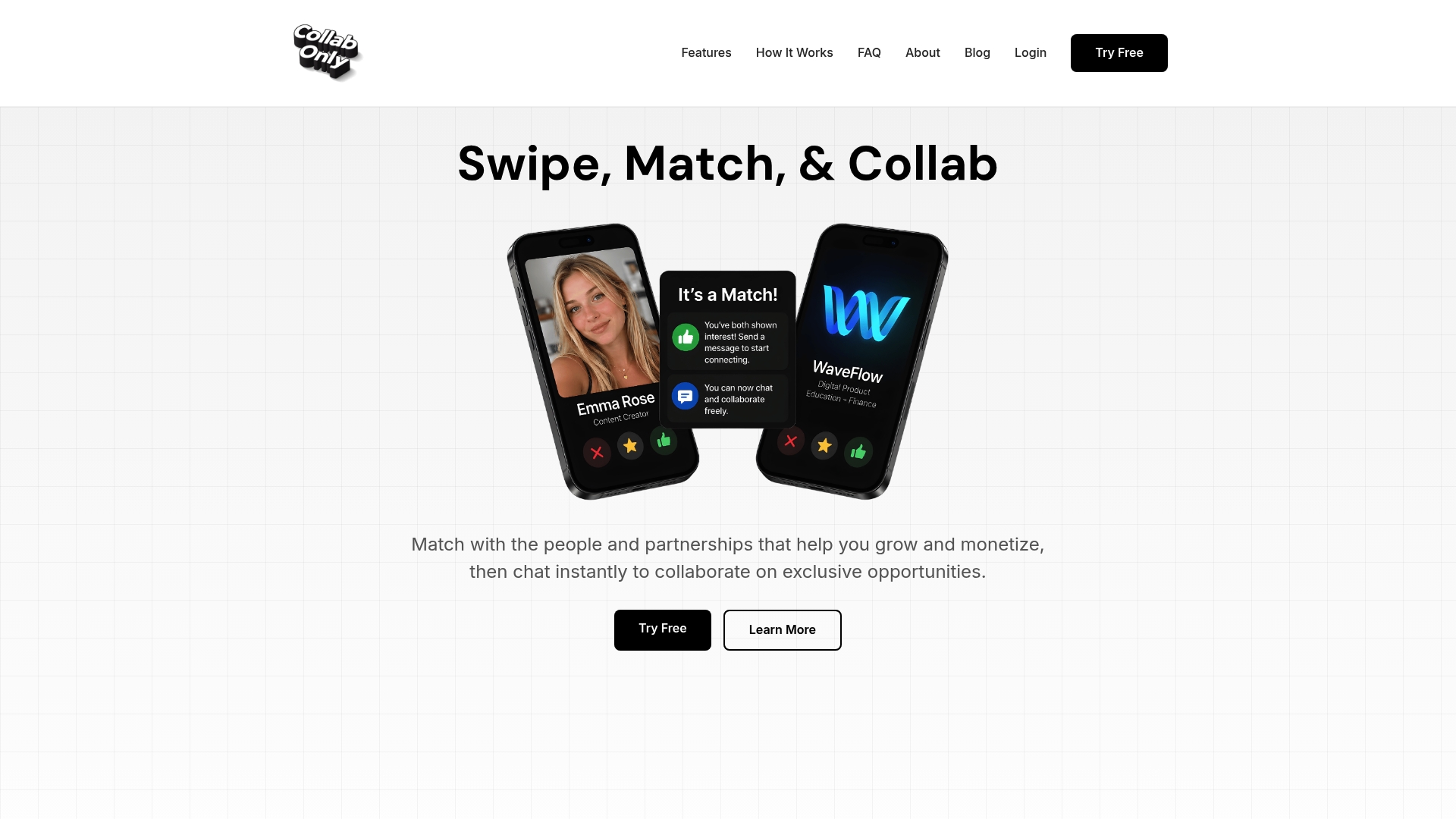
Collabonly accelerates the creator discovery and outreach phase by matching brands with creators through a swipe-based interface and enabling instant chat upon match, eliminating the slow email and DM cycles that typically consume one to two weeks of a campaign timeline. For UGC strategy integrated into creator briefs, the platform supports both nano and micro influencer tiers across TikTok, Instagram, and YouTube.
How should you handle a crisis during a live campaign?
Crisis management during a live campaign requires a pre-built response protocol, not improvised decisions under pressure. The two most common campaign crises are brand safety incidents (an ad appearing alongside harmful content or a creator posting off-brand material) and performance crises (spend depleting rapidly with no conversions, or a tracking failure that breaks attribution mid-flight).
A practical contingency framework covers four steps. First, define the pause threshold before launch: what specific metric deviation or external event triggers an immediate campaign pause? Document this in the campaign brief. Second, assign a single decision-maker who has the authority to pause all paid media within 30 minutes of a confirmed incident. Third, prepare a holding statement for external communications if the incident is publicly visible, and route all media inquiries through a single designated contact.

For creator-related incidents, the written agreement should specify the brand's right to request content removal within 24 hours of posting and the process for handling disputes over content that violates the brief. Monitoring creator posts in the first 48 hours after publication is standard practice for campaigns where creator content is being amplified with paid spend.
What tends to separate campaigns that compound from those that plateau?
The campaigns that build on each campaign's results share one structural habit: they treat documentation as a production deliverable, not an afterthought. Post-campaign reports that include specific, numbered learnings and named asset references to create a compounding knowledge base. Teams that skip the retrospective repeat the same channel mix, the same creative approach, and the same attribution gaps in the next flight.
The second pattern worth noting is the tracking-first discipline. Campaigns that design measurement before creative consistently produce cleaner attribution data, which in turn produces better optimization decisions. The inverse is also true: campaigns that retrofit tracking after launch routinely undercount conversions and over-attribute to last-click channels, which distorts budget allocation in subsequent campaigns.
For teams adding creator collaborations to a campaign for the first time, the timeline impact is real. Creator briefing, content review, revision cycles, and usage rights negotiation typically add two to three weeks to the pre-production phase. Building that buffer into the milestone timeline from the start prevents the most common outcome: creator content arriving after the paid flight has already launched, which eliminates the option to amplify it efficiently. Collabonly's matching and instant-chat model compresses the outreach and negotiation phase, which is where most of that time is lost.
Collabonly connects campaign teams with creators faster
Campaign teams that include creator or influencer components face a consistent bottleneck: discovery and outreach consume weeks that the campaign timeline cannot afford. Collabonly resolves that bottleneck directly. The platform's swipe-based matching connects brands with nano and micro influencers across TikTok, Instagram, and YouTube, and instant chat begins the moment a match is confirmed, replacing the slow DM and email cycles that delay pre-production.
Collabonly complements, rather than replaces, the campaign strategy and tracking work this guide covers. The brief, the QA checklist, the usage rights agreement, and the FTC disclosure requirements all still apply. What the platform removes is the time cost of finding the right creator and initiating the conversation. For campaign teams ready to staff the creator component of their next flight, hire nano influencers or hire micro influencers through Collabonly and move directly to briefing.
Sources
- How to Create a Digital Marketing Plan: 4 Steps
- The Campaign Management Process: 7 Stages Explained
- Digital marketing strategy (Salesforce)
FAQ
What is the first step in a digital campaign process?
Define a SMART goal tied to a specific business outcome (revenue, leads, or retention) before selecting channels or producing any creative. Without a measurable objective, channel selection and budget allocation have no anchor.
How long does a digital campaign take to plan and launch?
A mid-sized multi-format campaign typically requires 8–12 weeks from kickoff to first live media; smaller two-channel campaigns can compress to four to six weeks when tracking infrastructure is already in place.
Why should tracking be set up before creative production?
Retrofitting GA4 events, pixels, and UTM parameters after assets are live creates attribution gaps that cannot be recovered, leading to undercount of conversions and distorted budget decisions in subsequent campaigns.
How many channels should a campaign launch with?
No more than three channel plays at launch, with one primary play per SES pillar (Search, Email, Social). Underfunding four or more channels consistently underperforms three well-resourced ones.
How does Collabonly fit into a campaign process?
Collabonly accelerates the creator discovery and outreach phase through swipe-based matching and instant chat, compressing a process that typically consumes one to two weeks of pre-production time into a significantly shorter window.